In Celebration of Photography
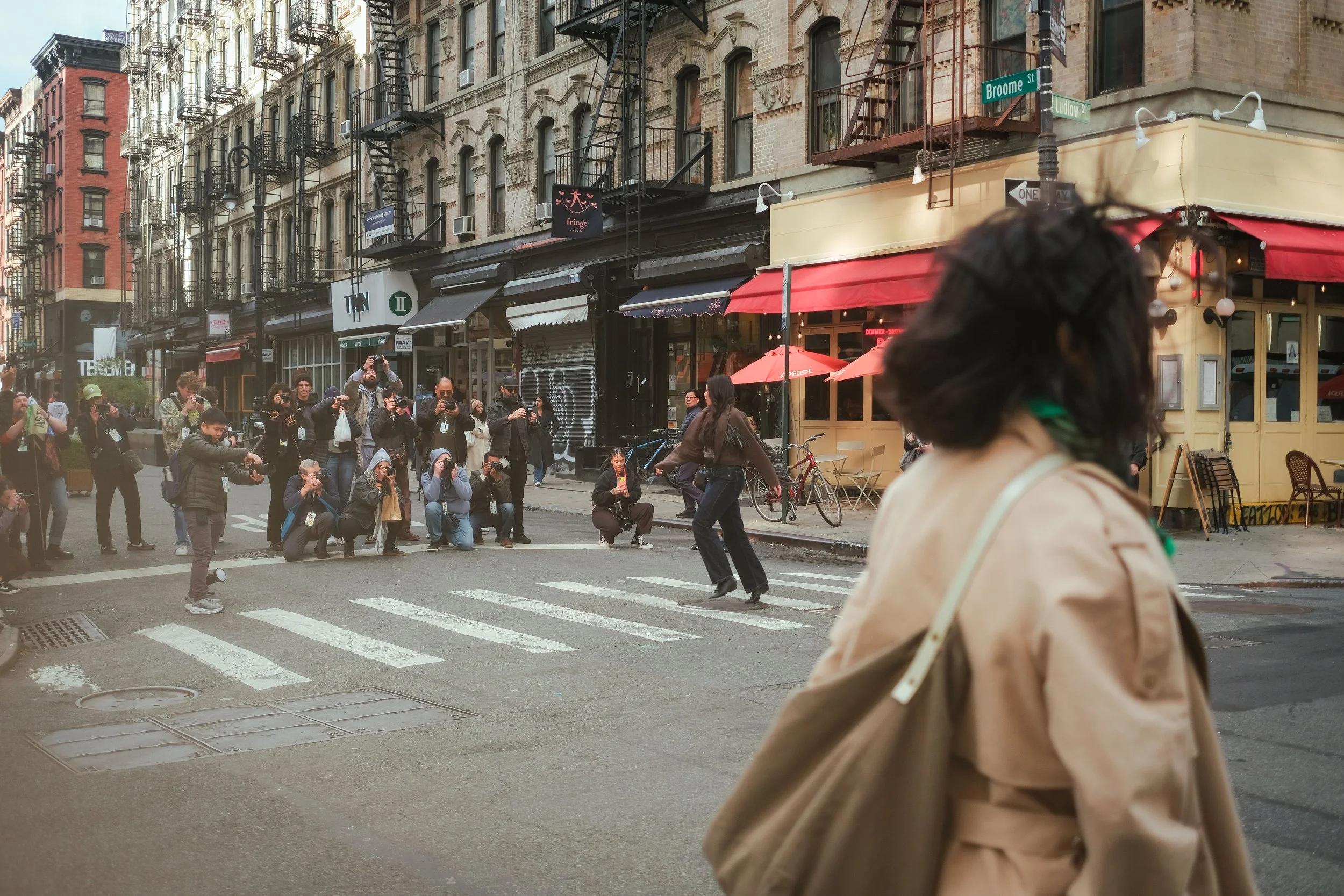
Oct 17 | Fujikina 2026
“This is the place where everyone knows that everyone will be taking a photo, so there are no reservations.”
This was told to me after I was caught taking a shot of someone dousing the chalk lines of the Ludlow St. takeover during Saturday night at Fujikina, NYC. And it was true— if you looked around at Delancey and Essex, you would spot three or four people with a camera hanging off their neck or shoulder at any given curb.
Easy things happened at Fujikina, like laughing on the sidewalk with a stranger then experiencing an exhibit together. All the while, at another crossing you might find twenty photographers on a guided walk, all shooting one subject in their own unique combination of crop, exposure, shutter, lens— and since we’re talking Fujifilm, their own film simulation of choice, too.
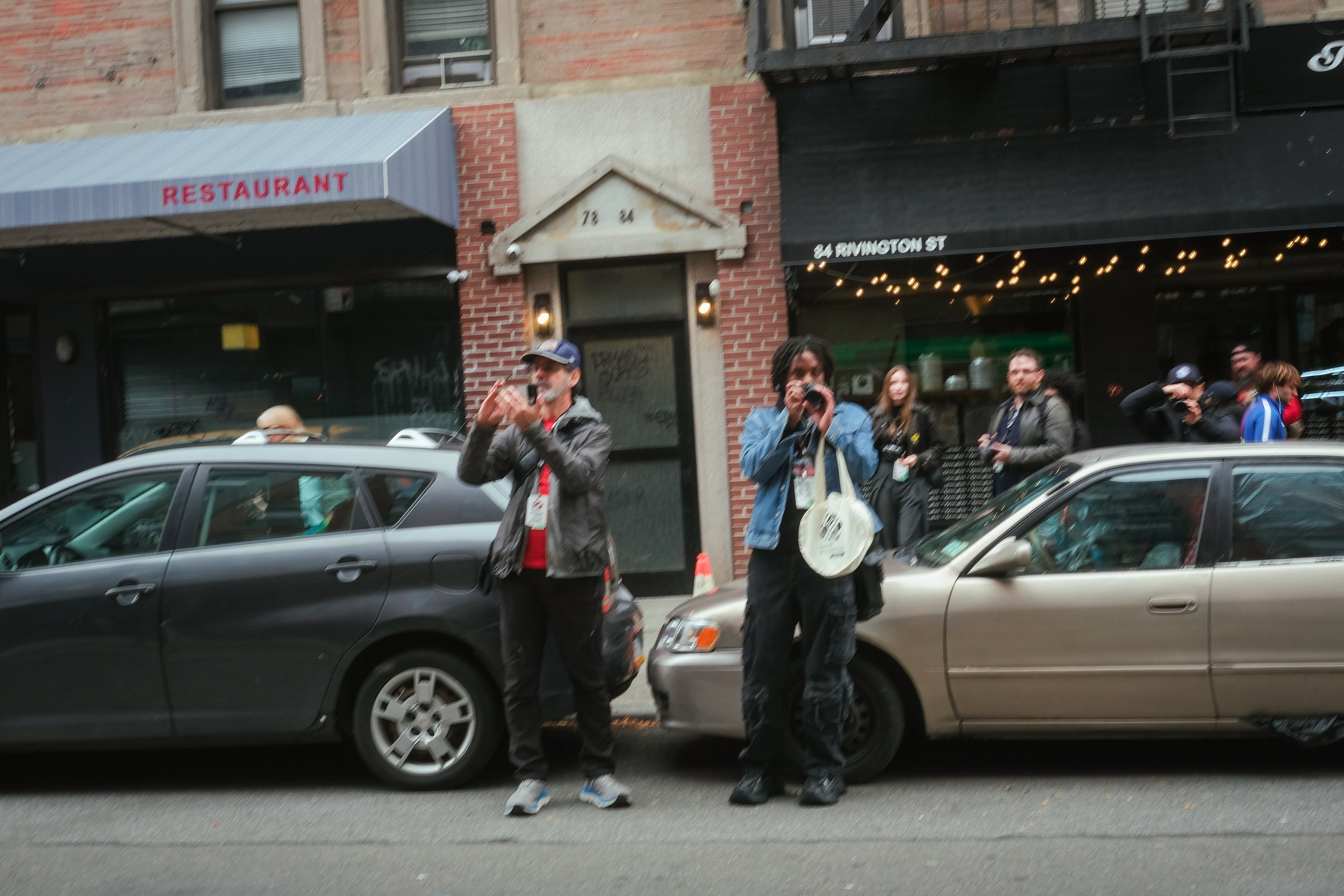
Everyone was gladly snapping away. Whatever the subject in front of them was, there was always the additional and hidden subject present— the photographer themself— that brought their own choices to the matter and shaped their photo into something uniquely their own. This is Fujikina 2026: a celebration of photography and of the photographer.
My own relationship to Fujifilm started in Bangkok last year. I had ditched my Canon R6 with a friend in England, and arrived to SE Asia without a single way to document what I was seeing… and for any photographers reading this, I’m sure you could understand my turmoil that ensued.
Let me explain.
For years, I had been looking to pick up a lighter camera but had never pulled the trigger. This plot was my own cruel way of making myself finally do it. And it worked— because two days in, I was itching to shoot.
I opened my laptop and found a used camera shop across town. I dished my debit into a worn down yellow side-stand that people at the hostel had recommended for cash withdrawal, and he slid me back 40,000 baht. I quickly stuffed it into my chest pack and caught the next bus across town, where I picked up my X-T30 and pancake 27.
It went with me every day traveling that year, and for the next two years of my life.
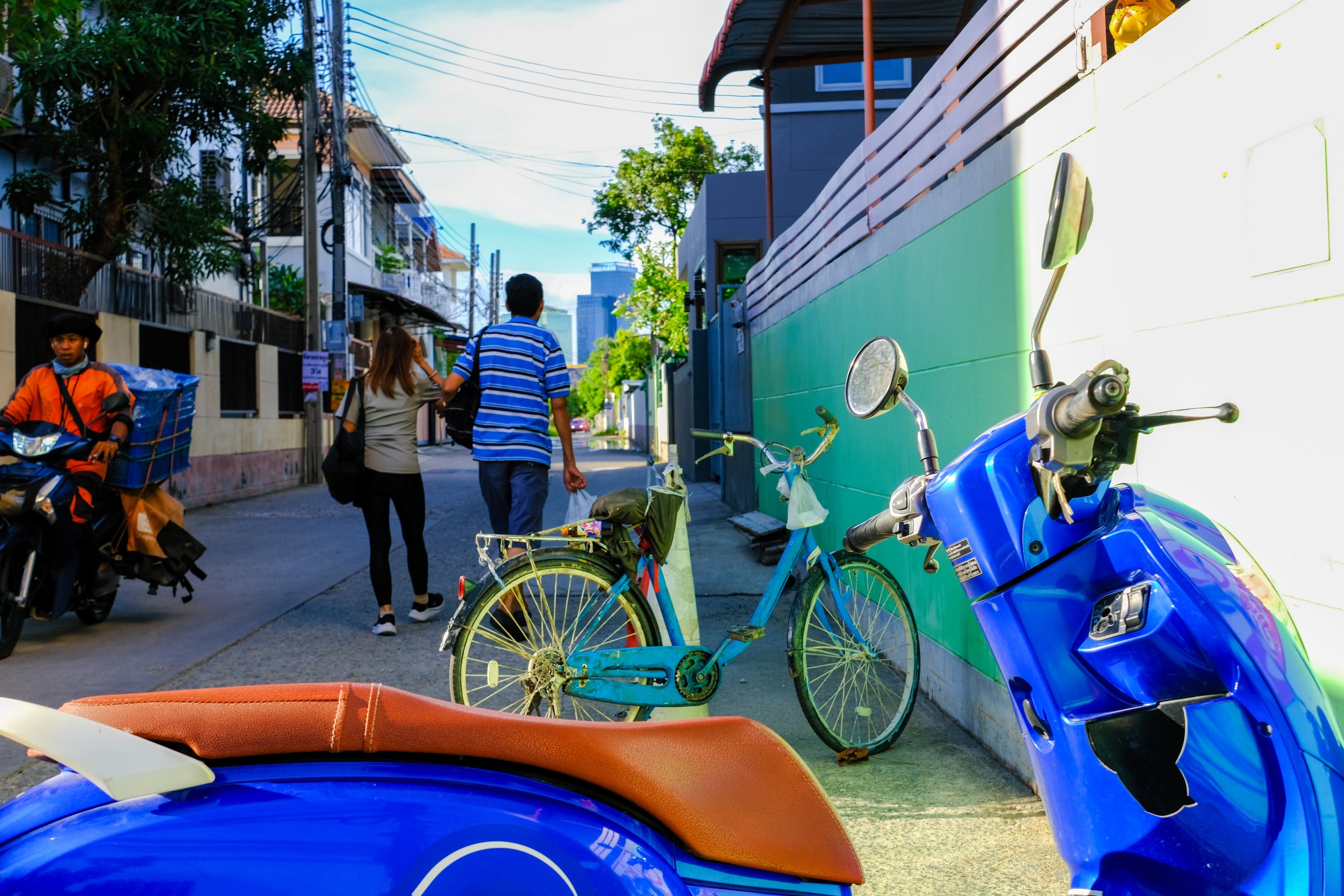
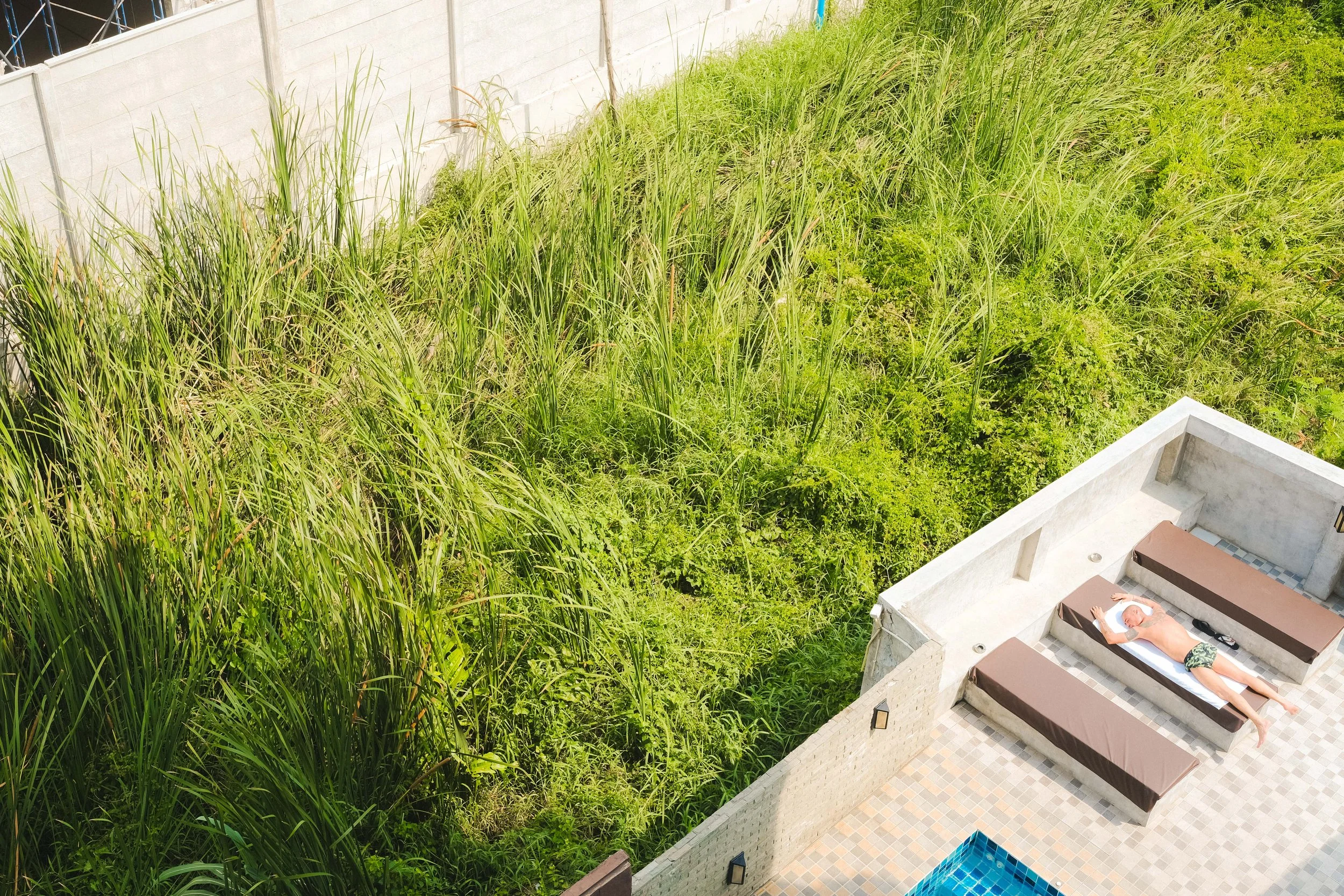
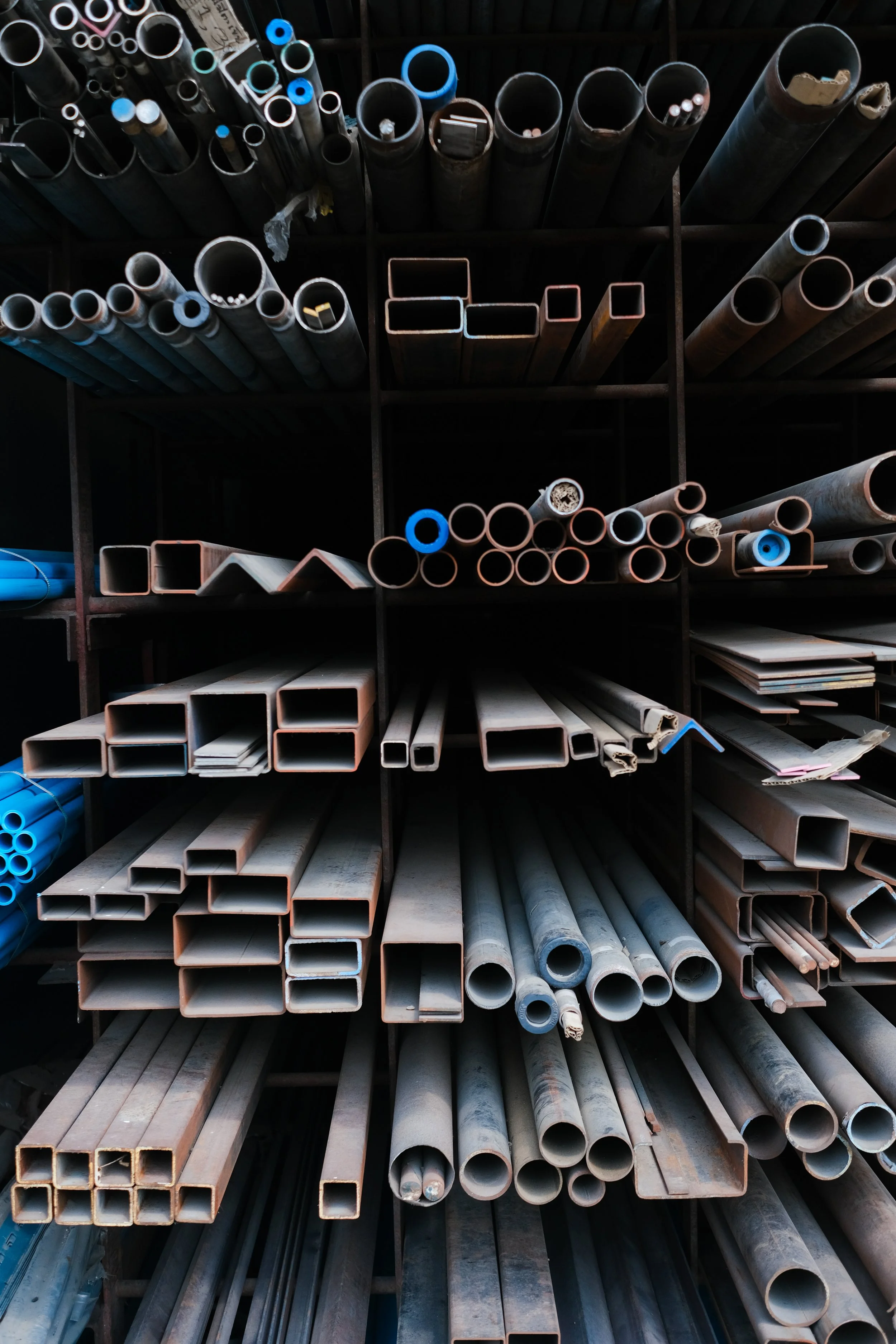
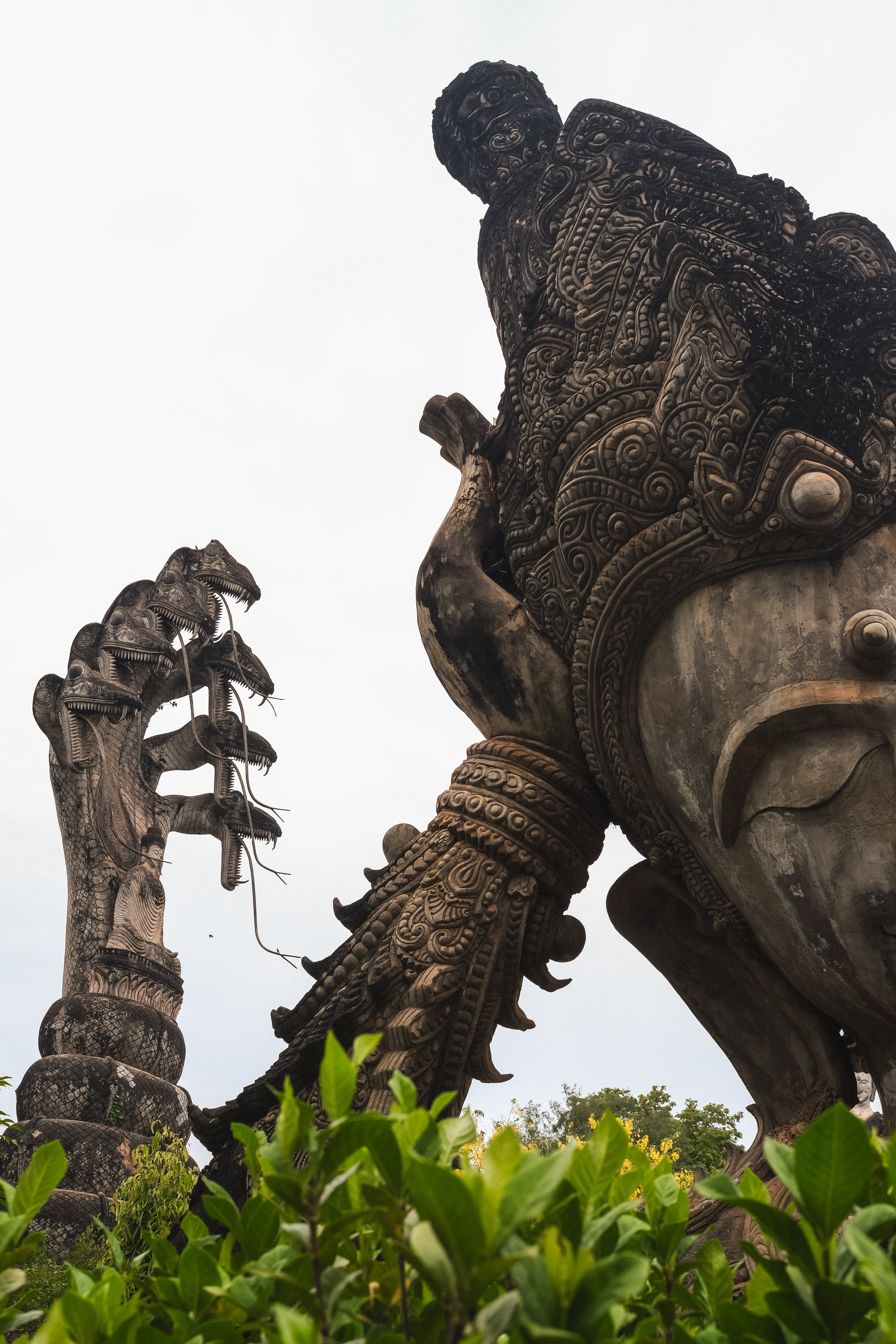
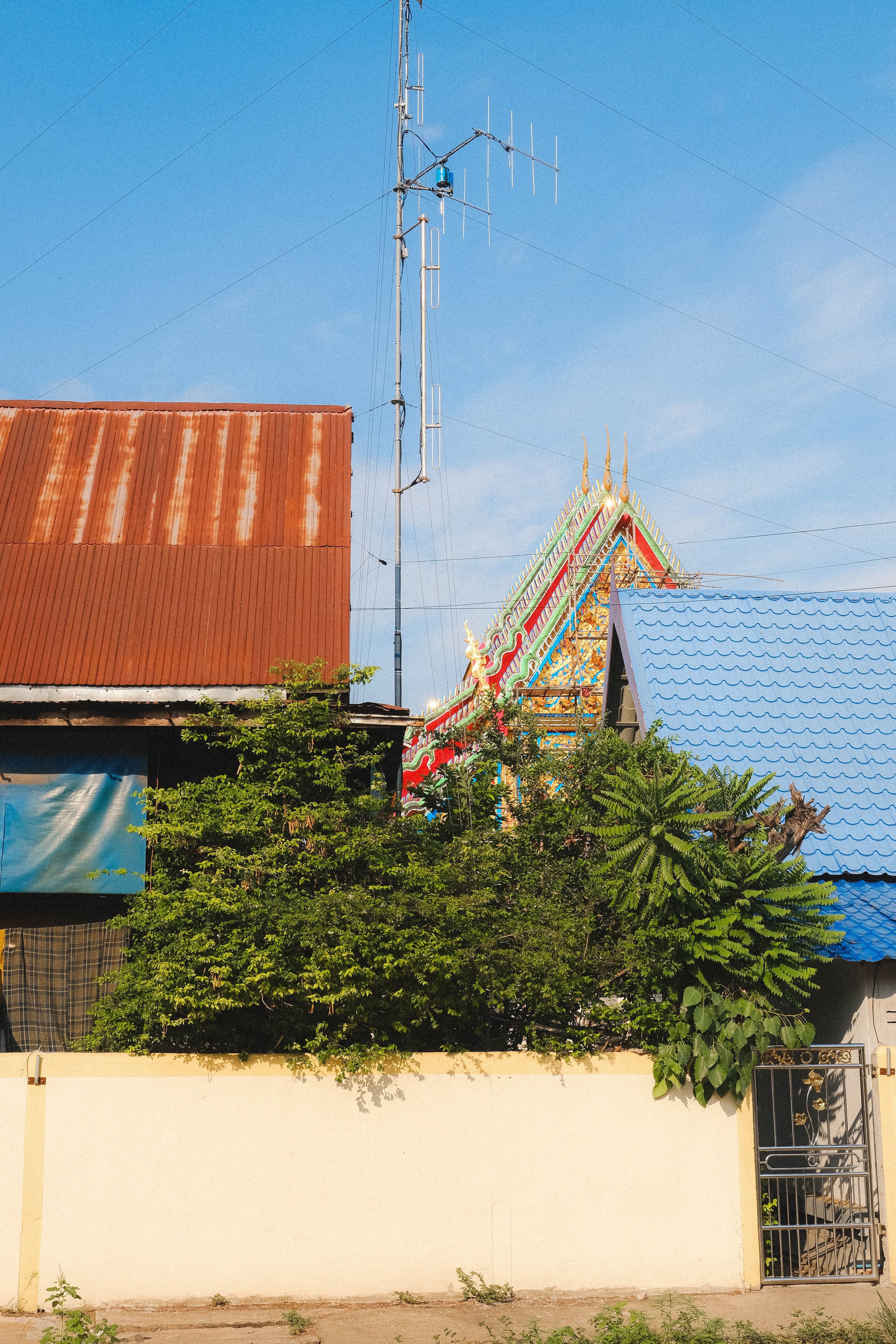
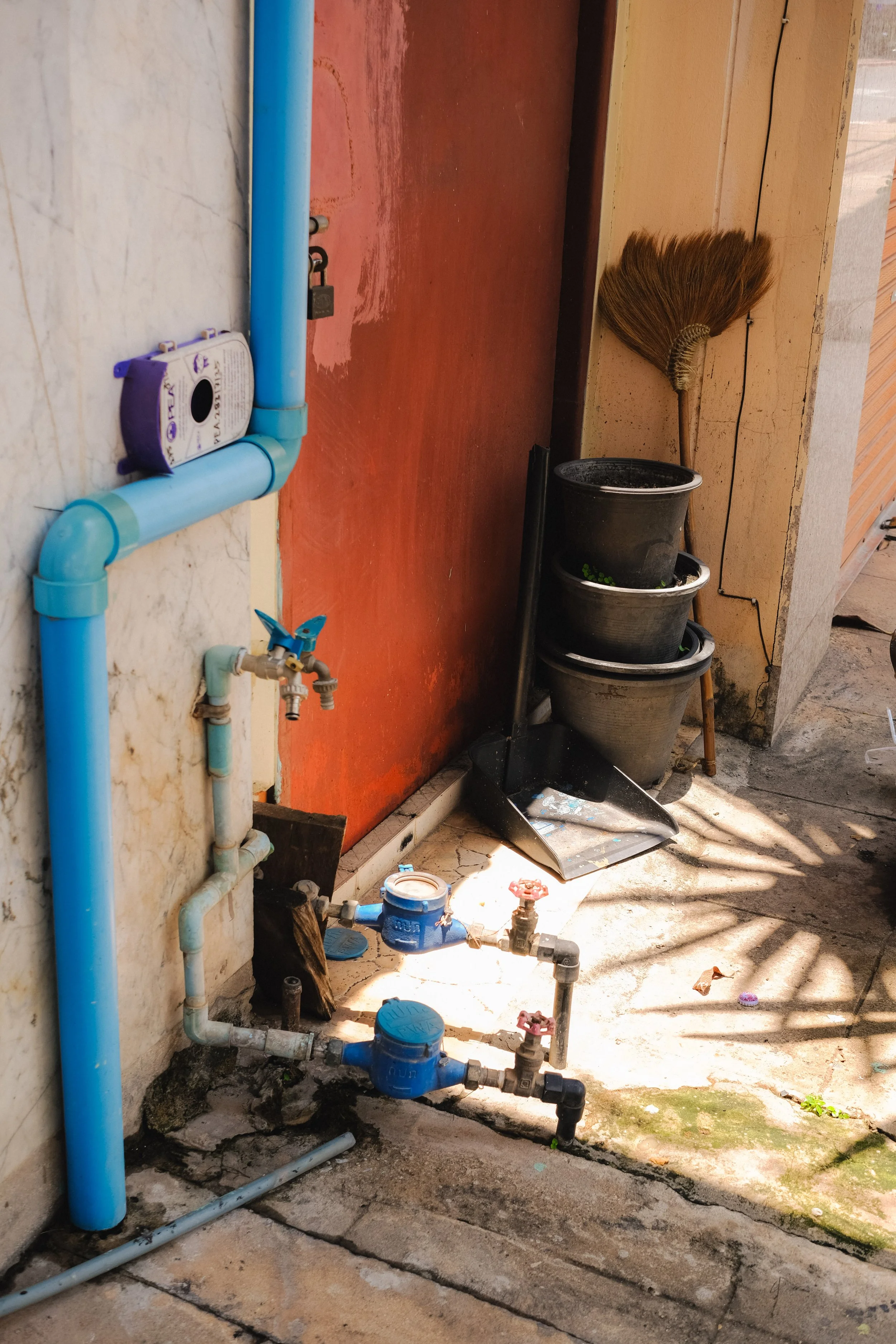
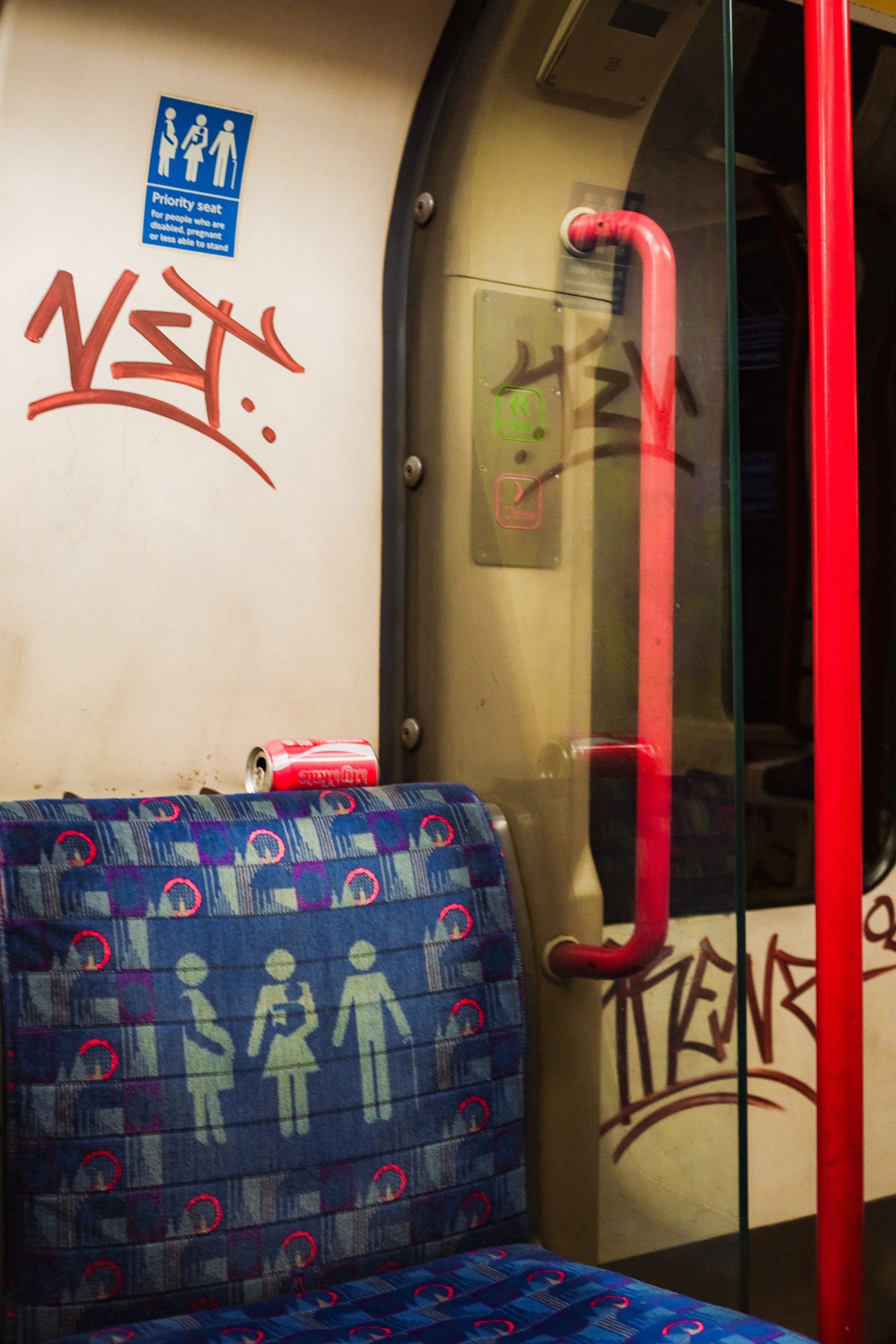
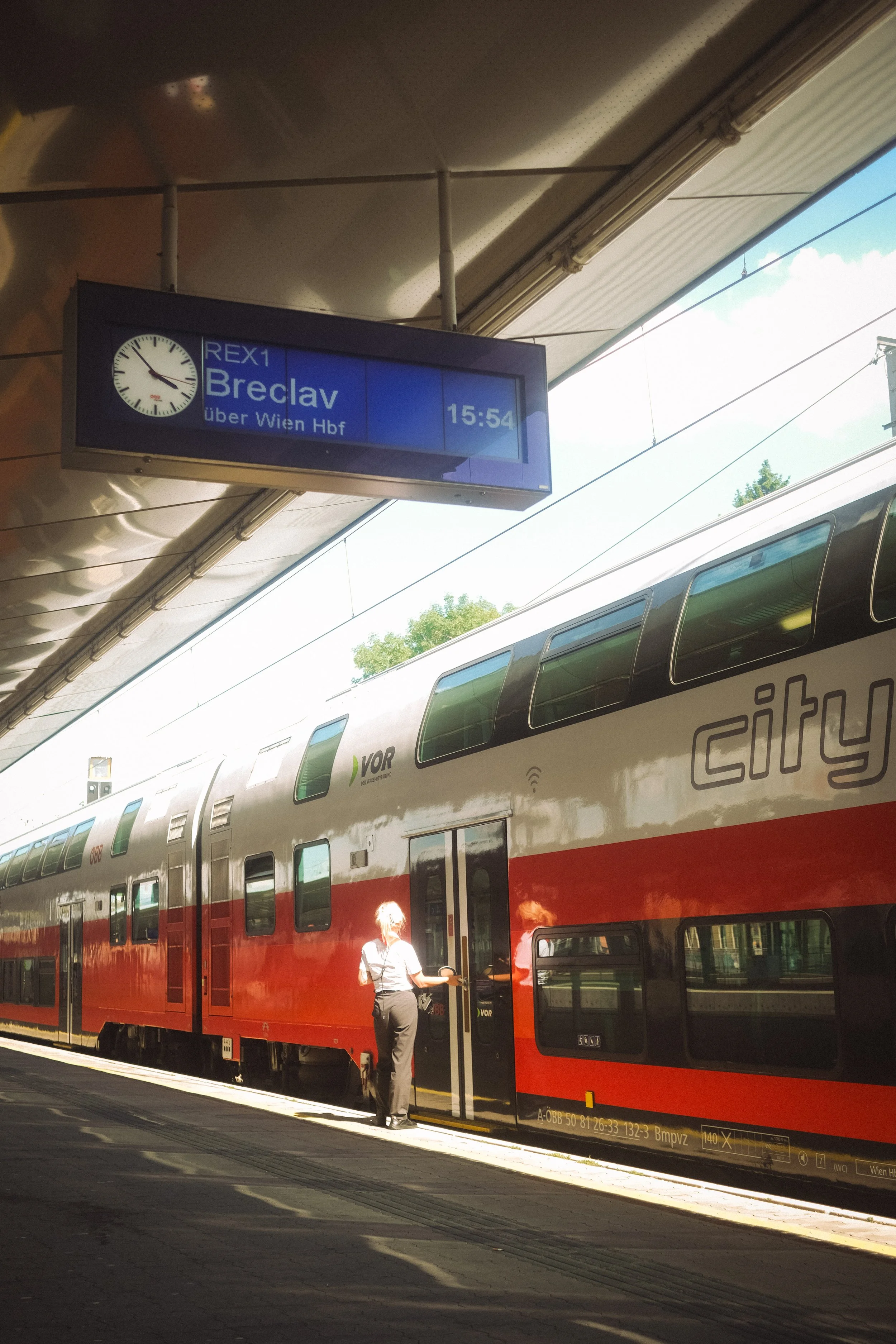
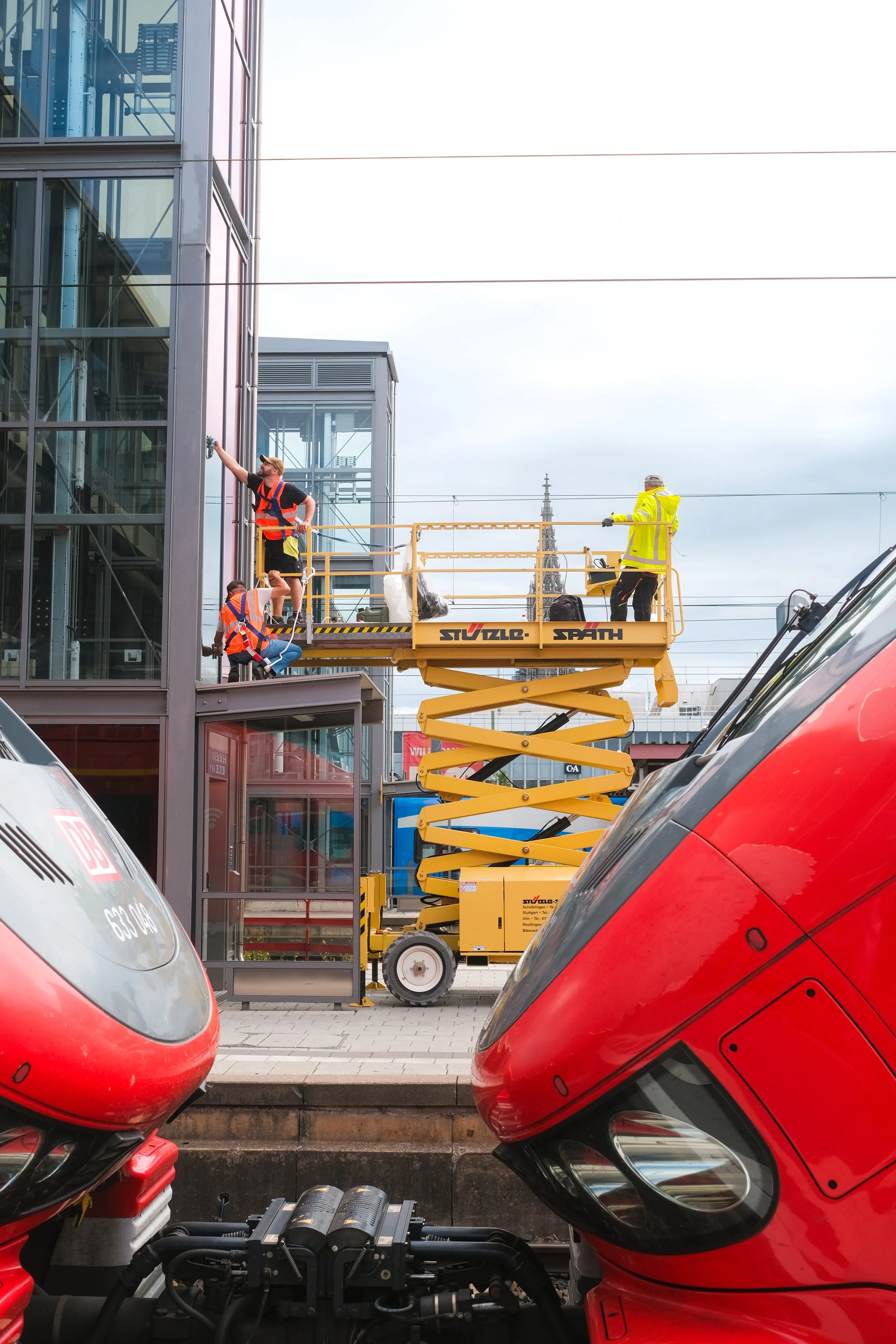
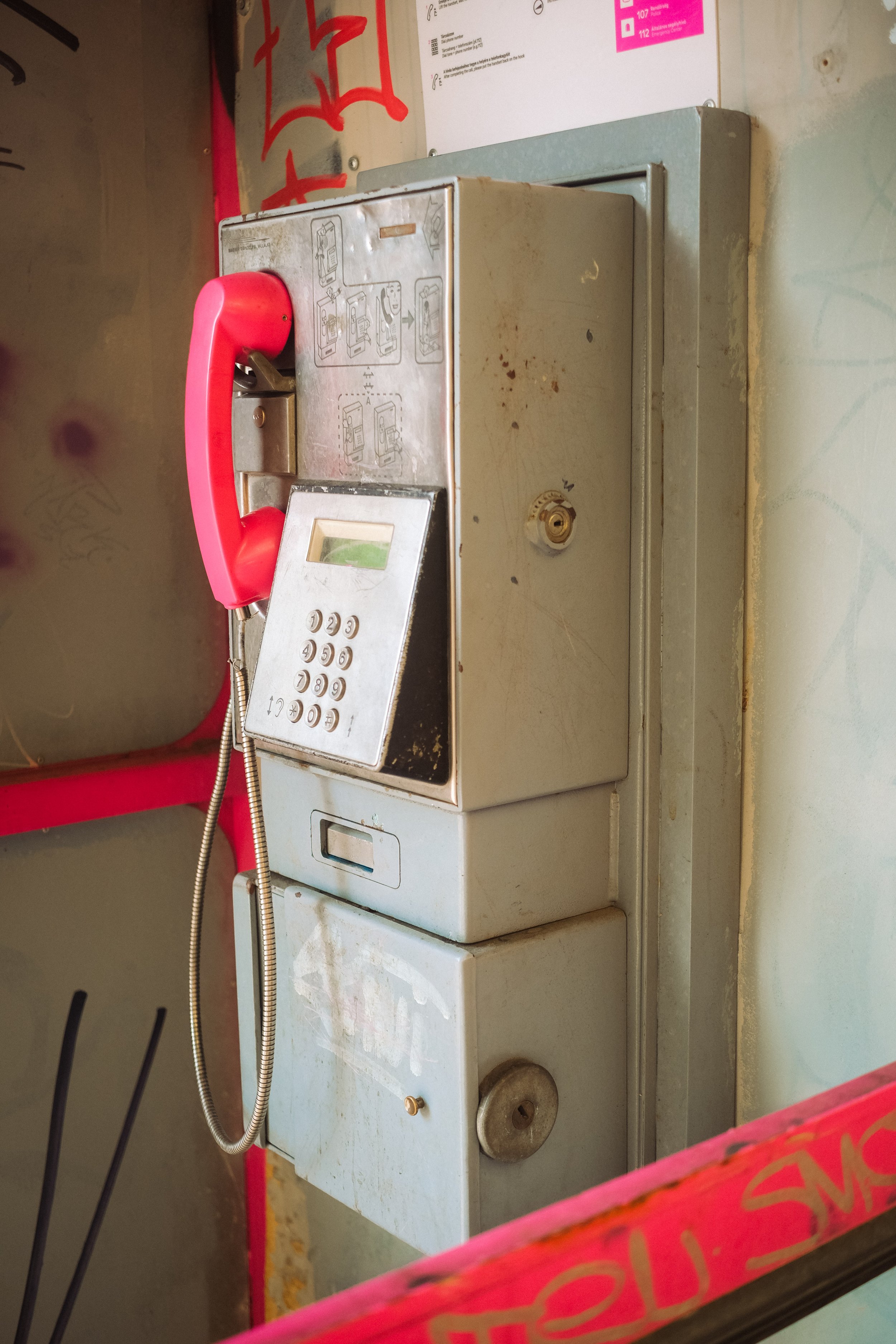
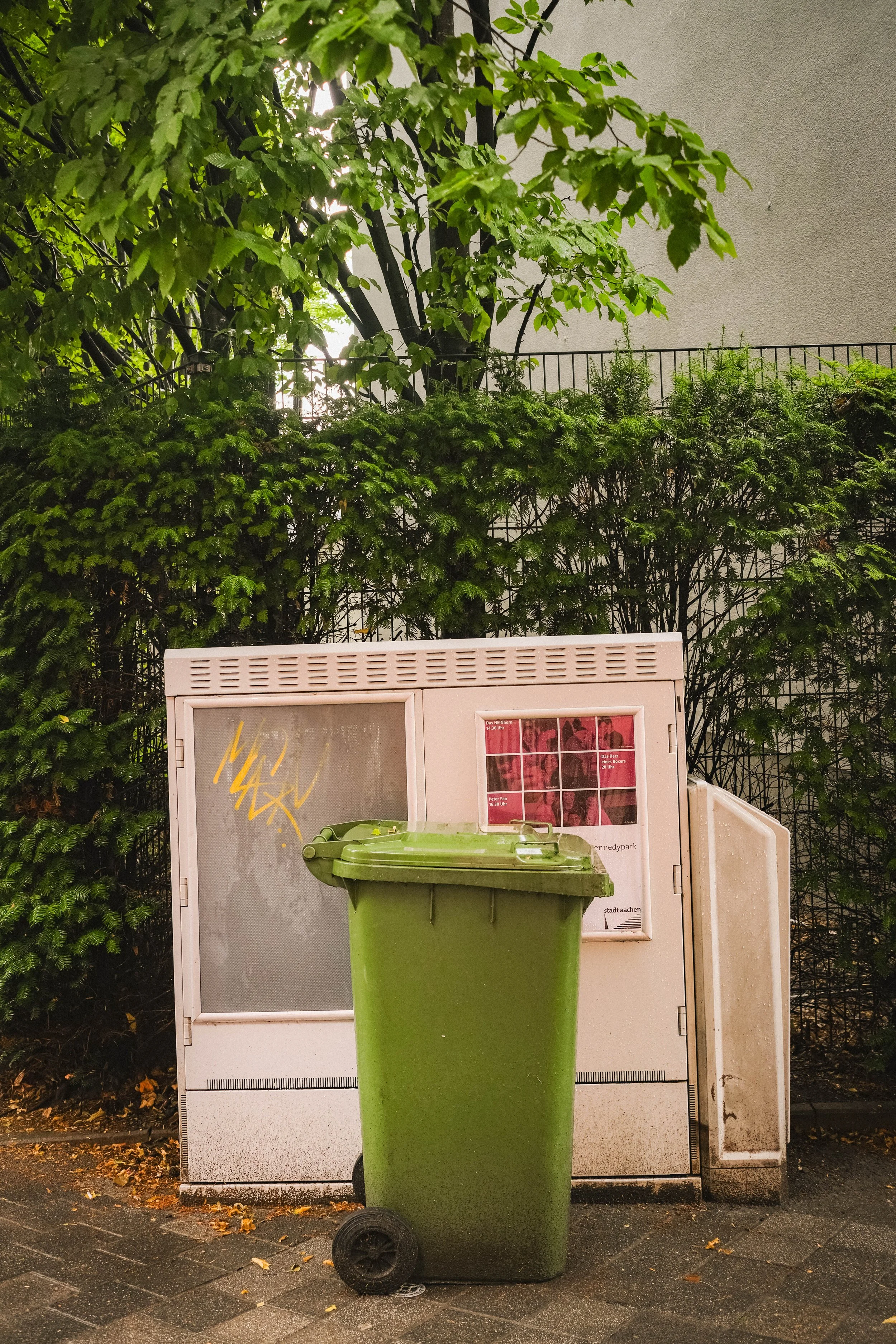
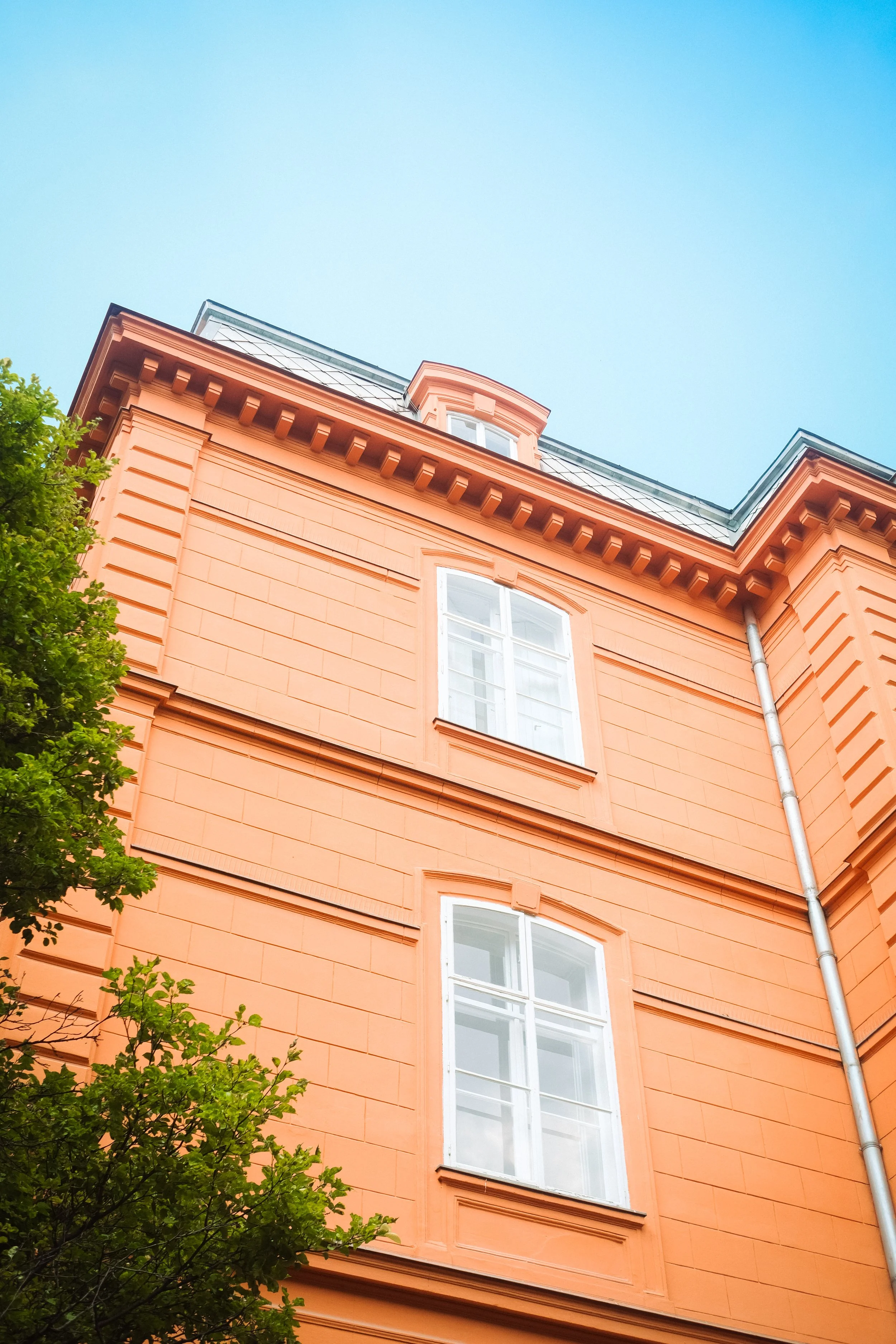
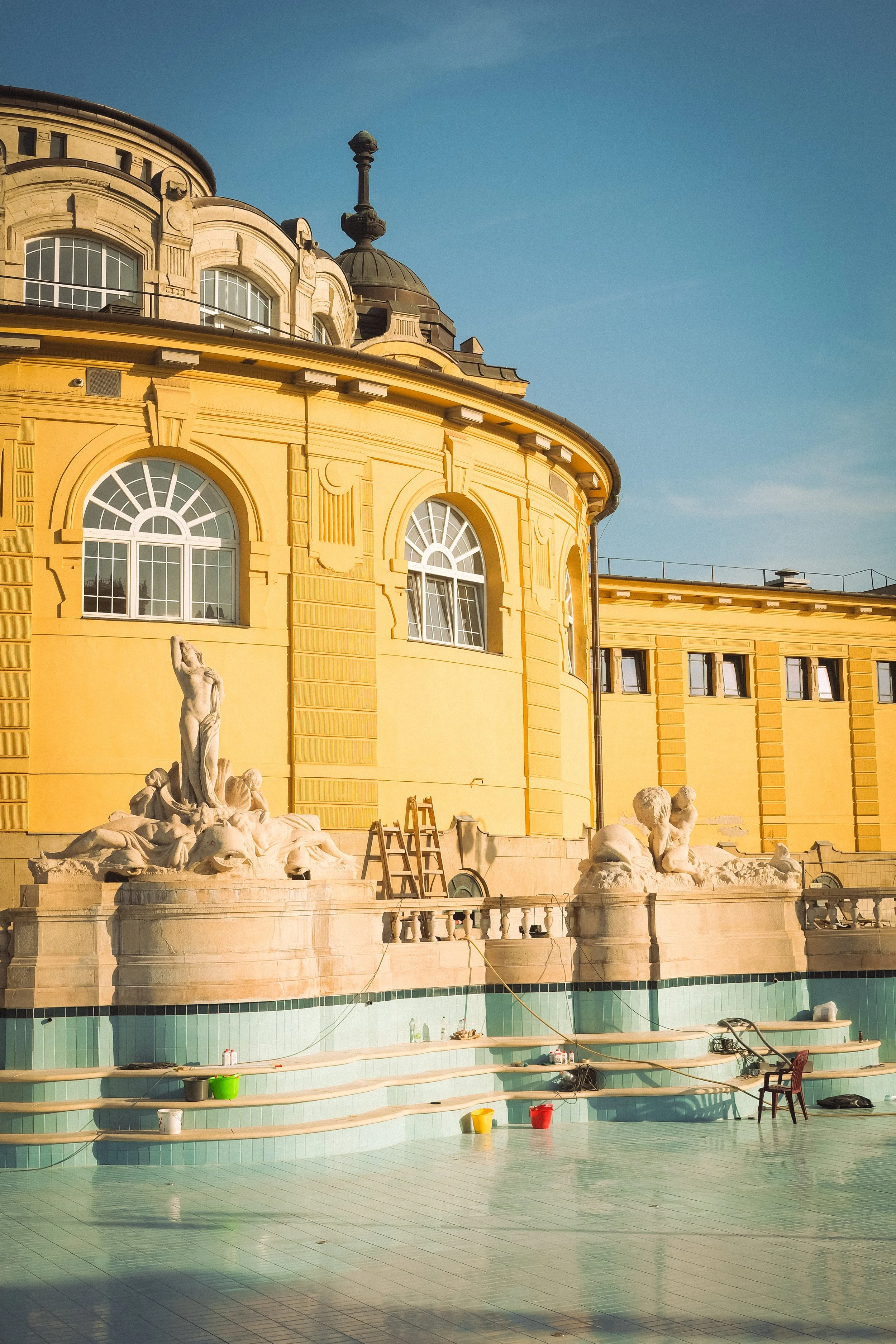
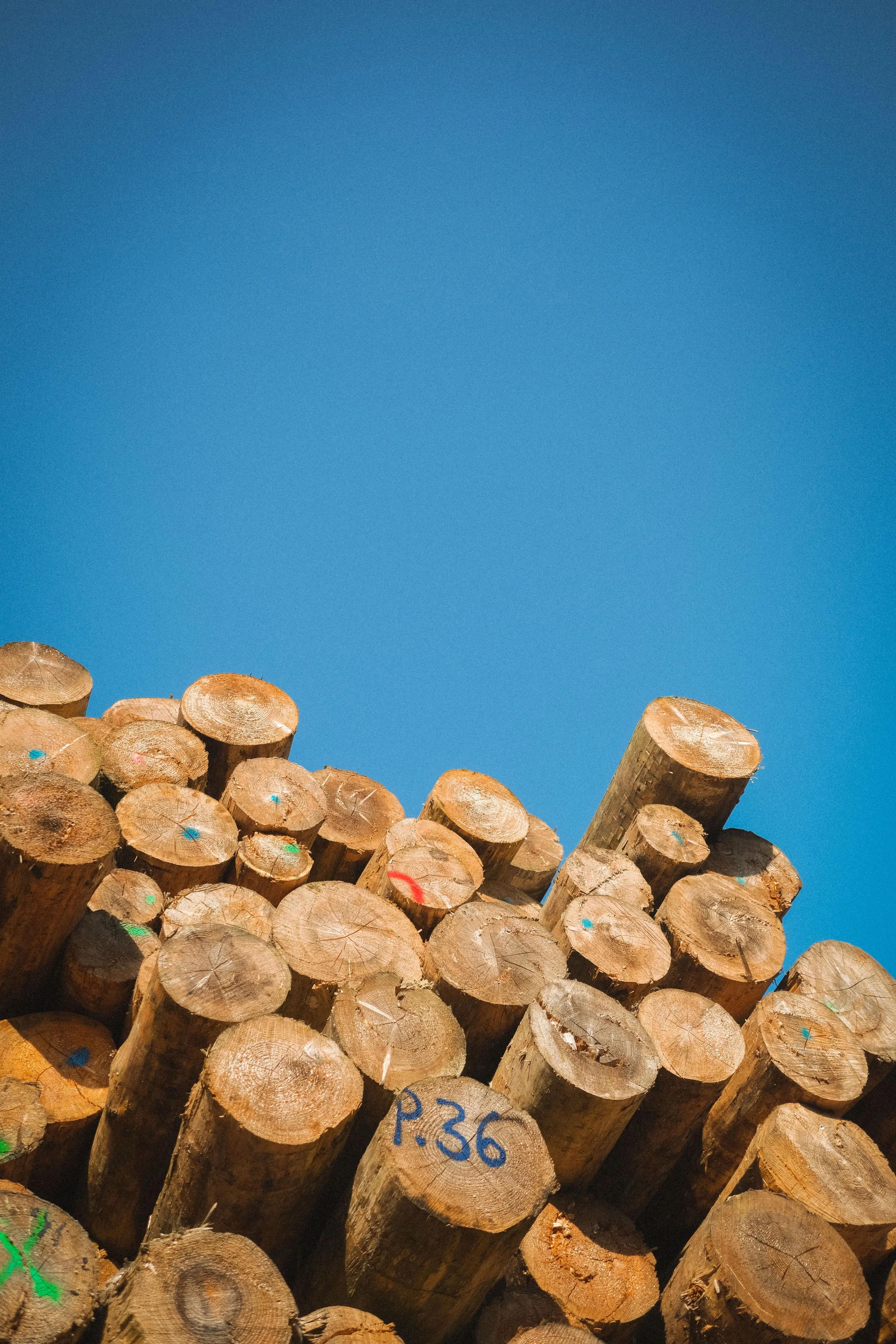
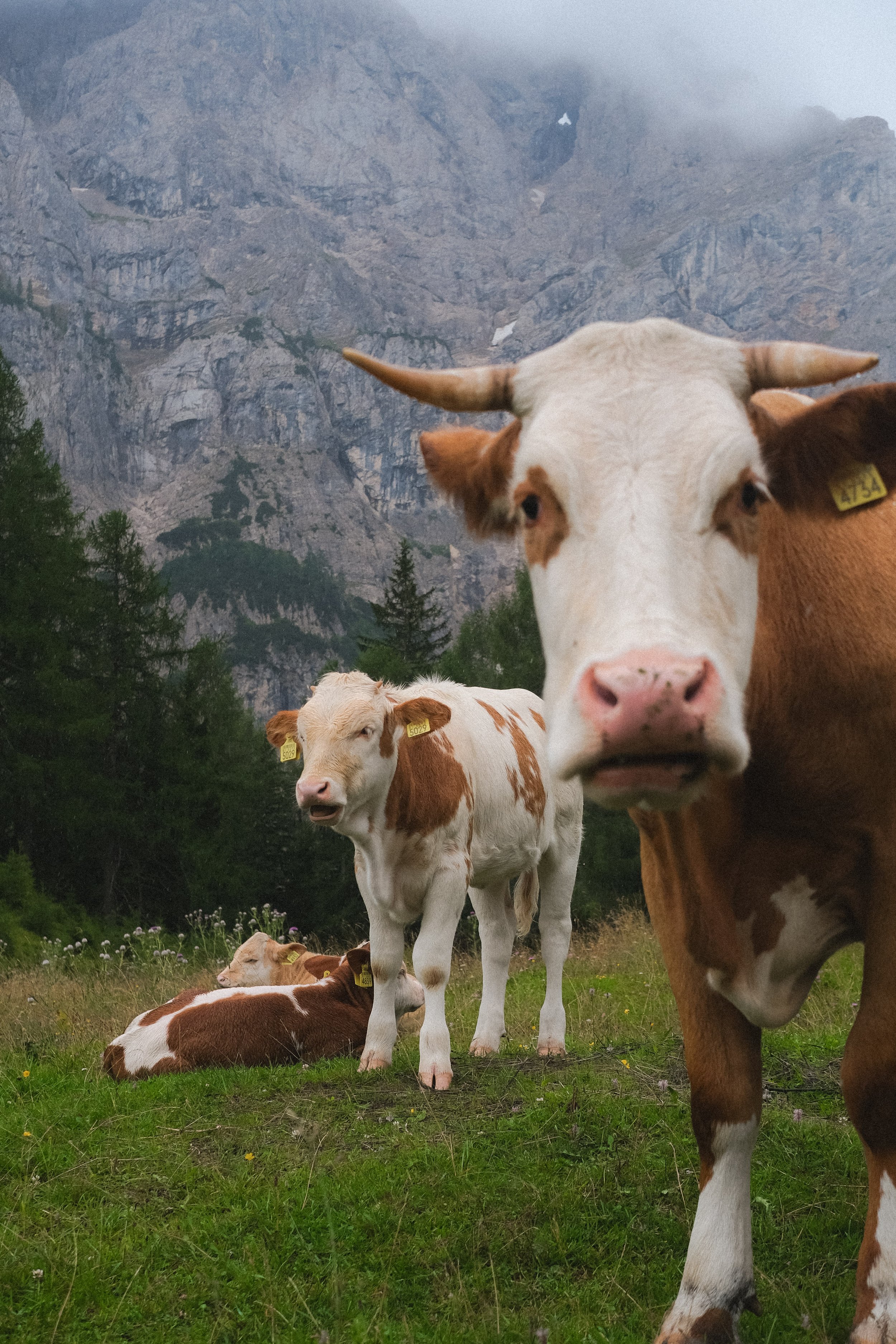
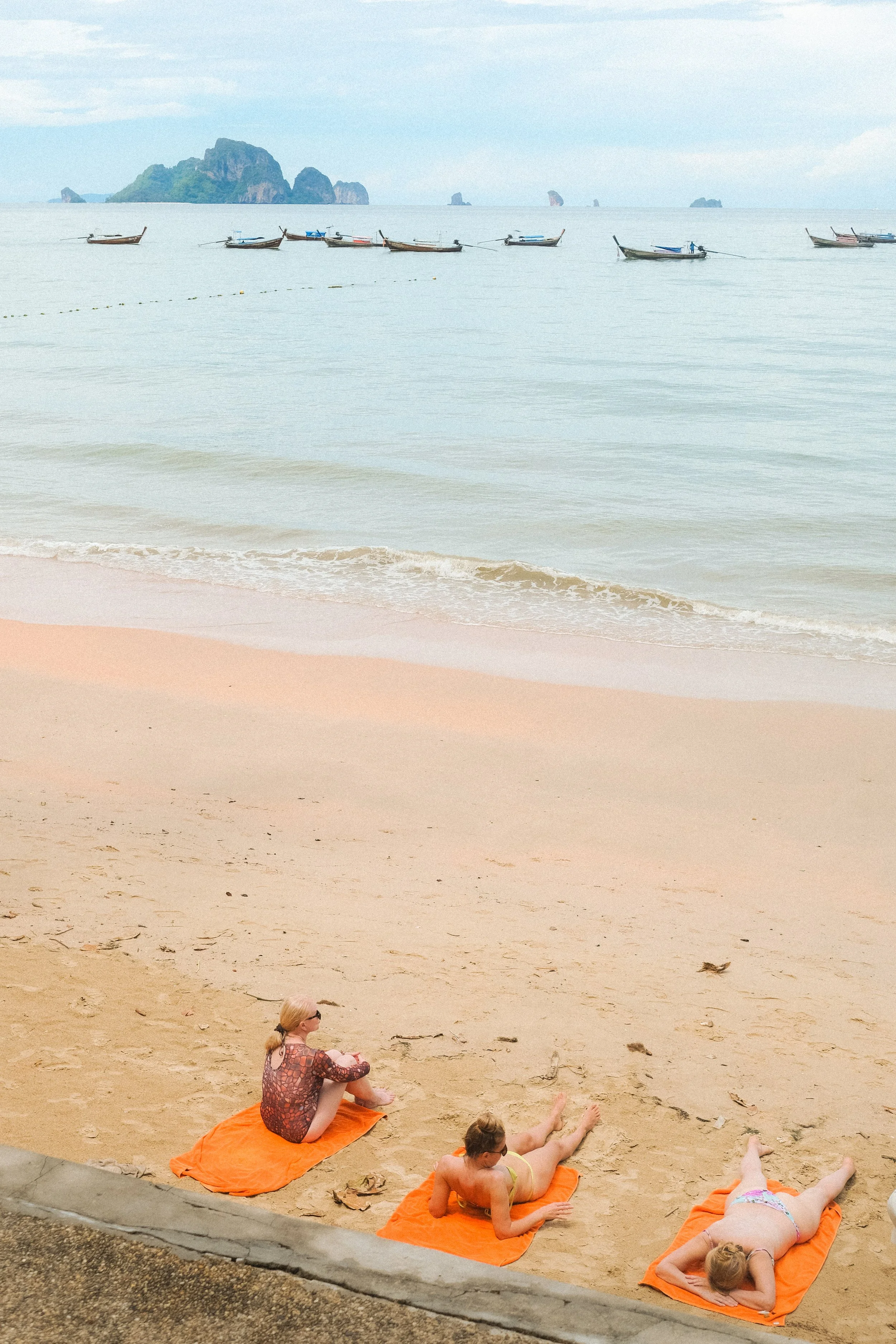
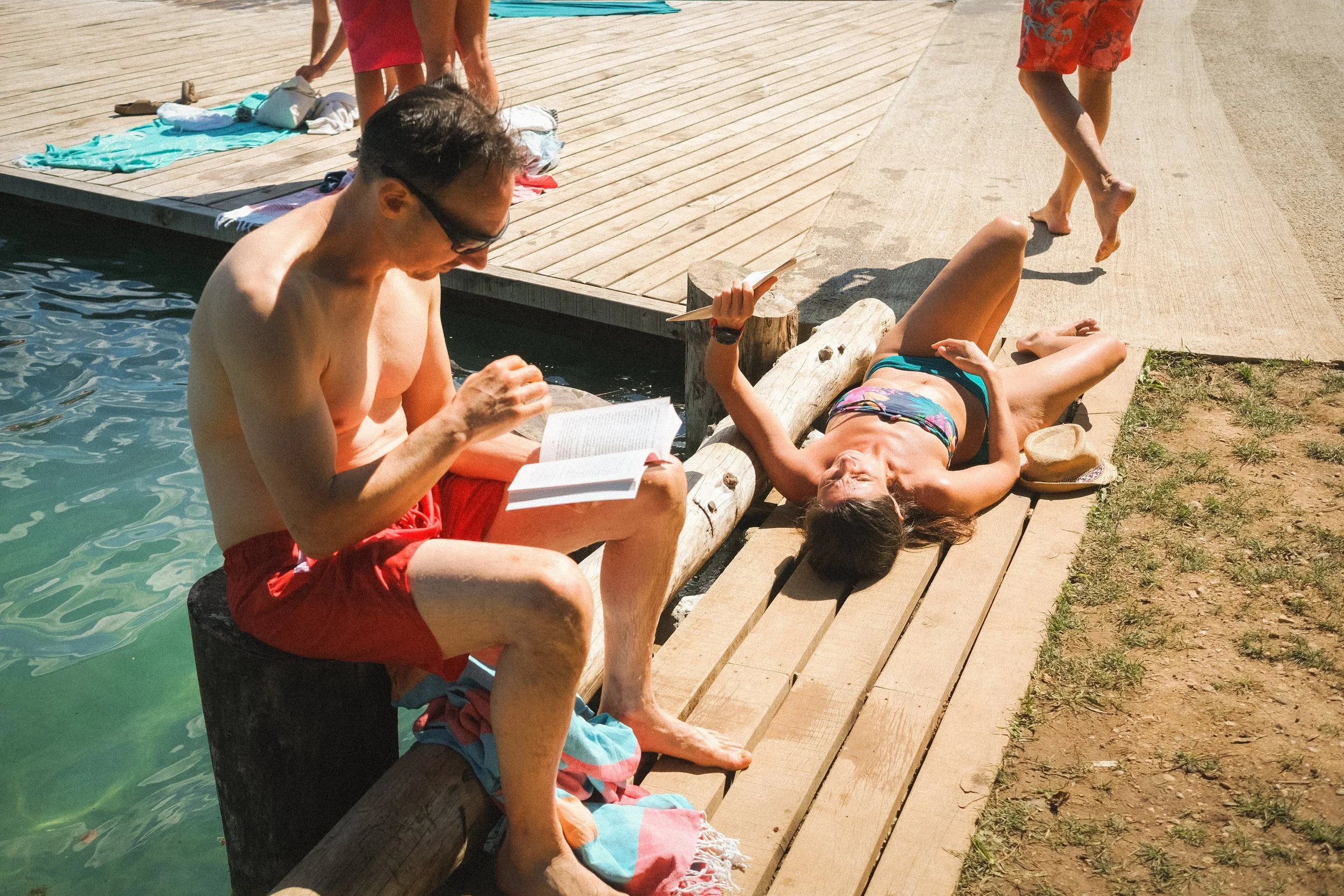
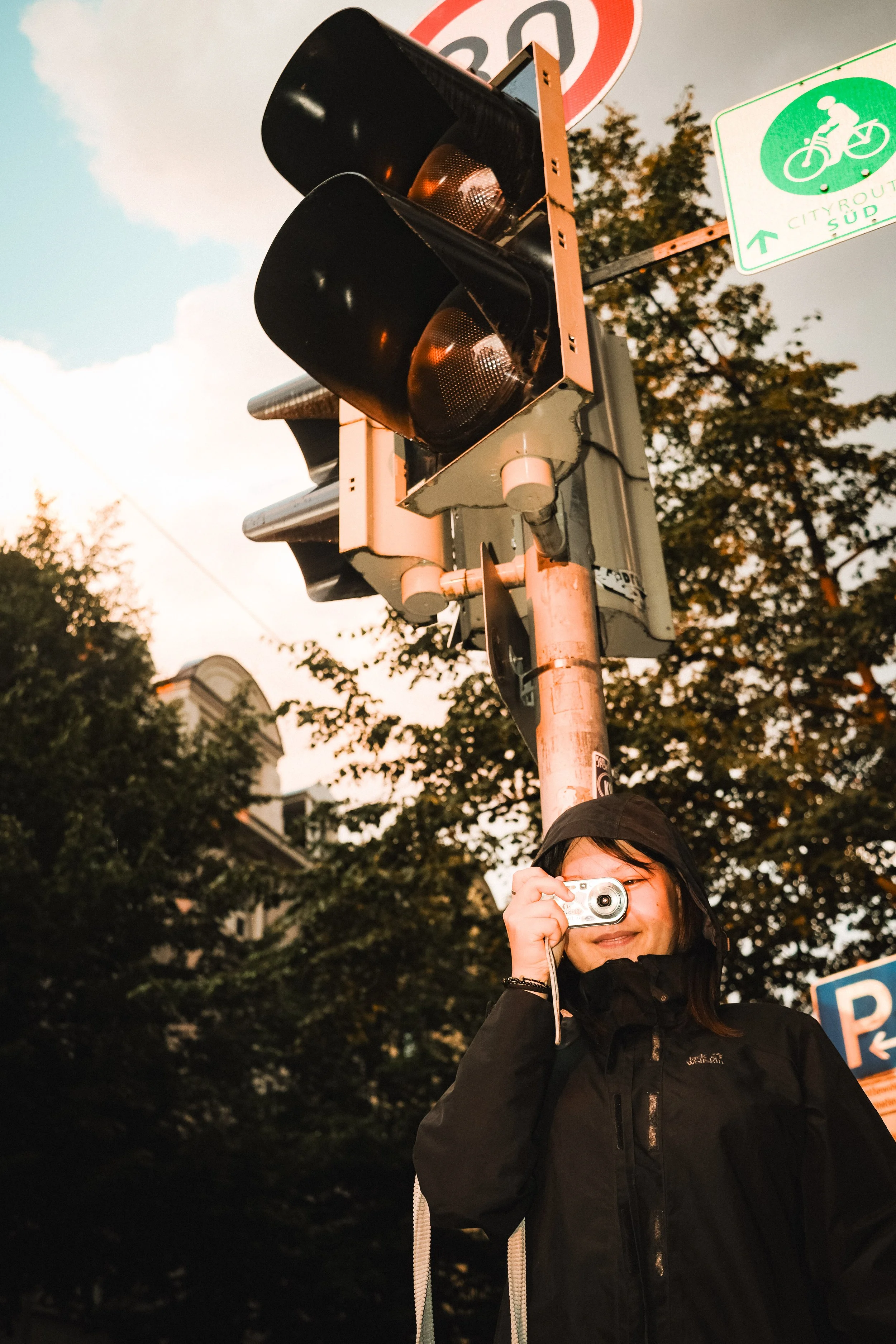
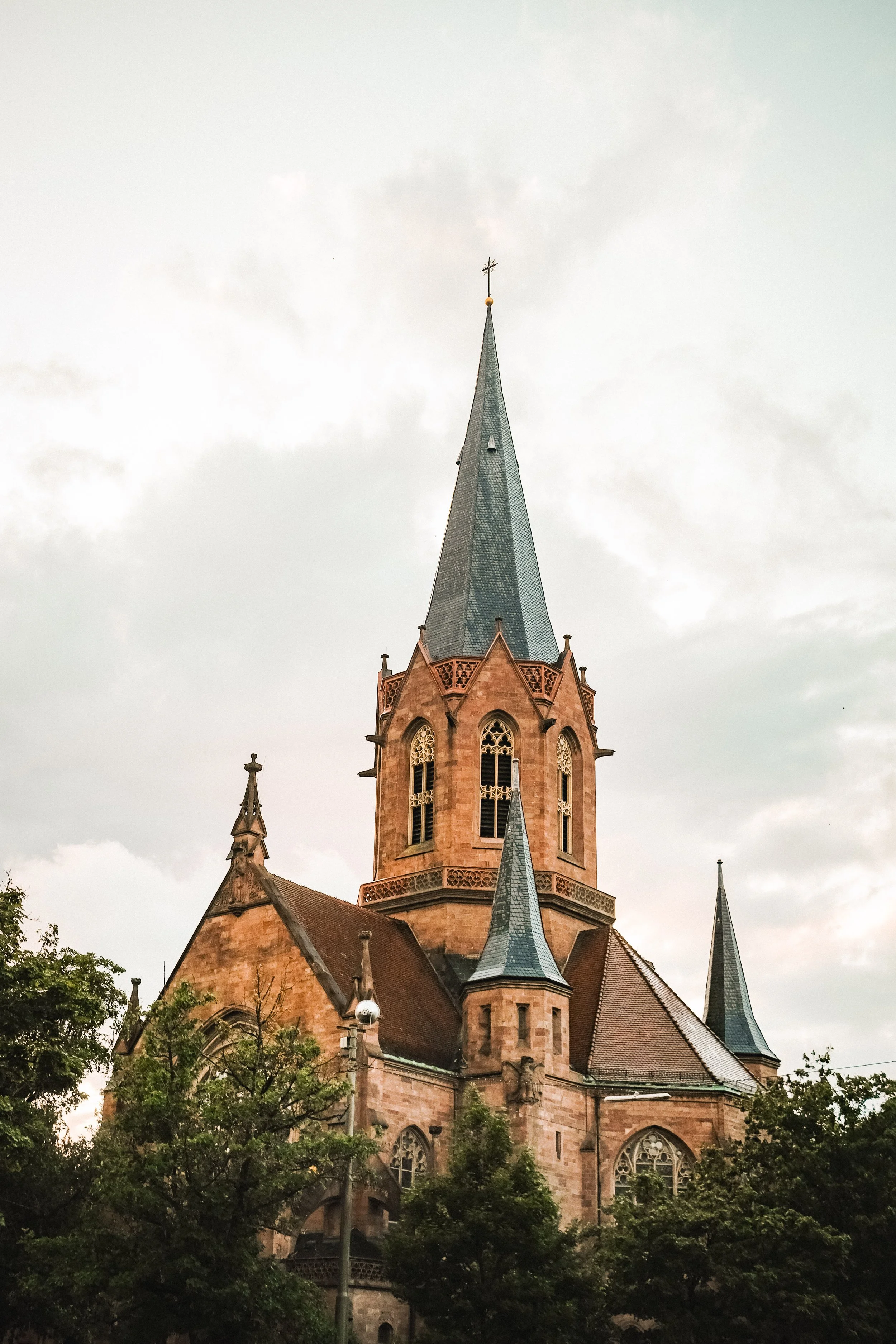
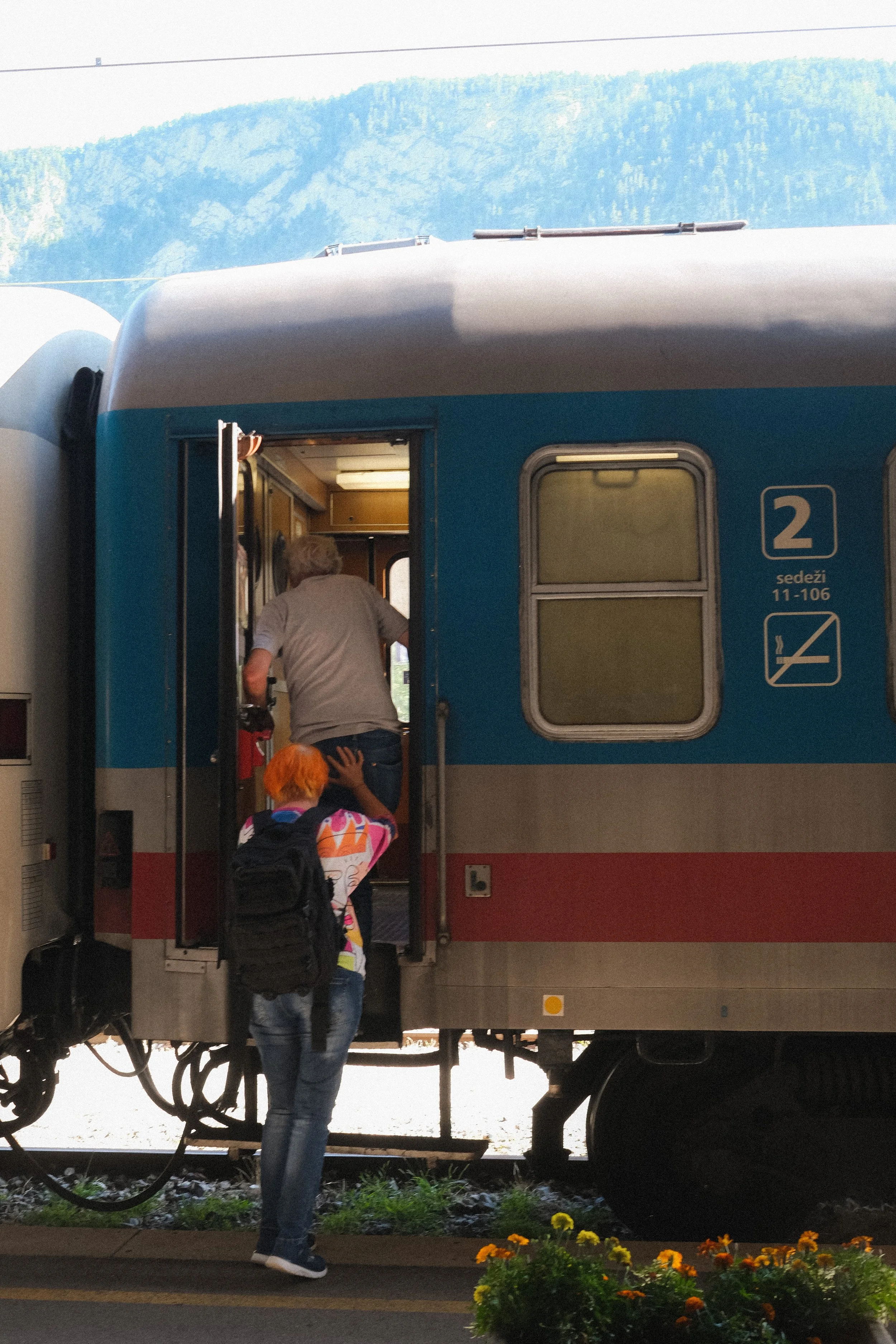
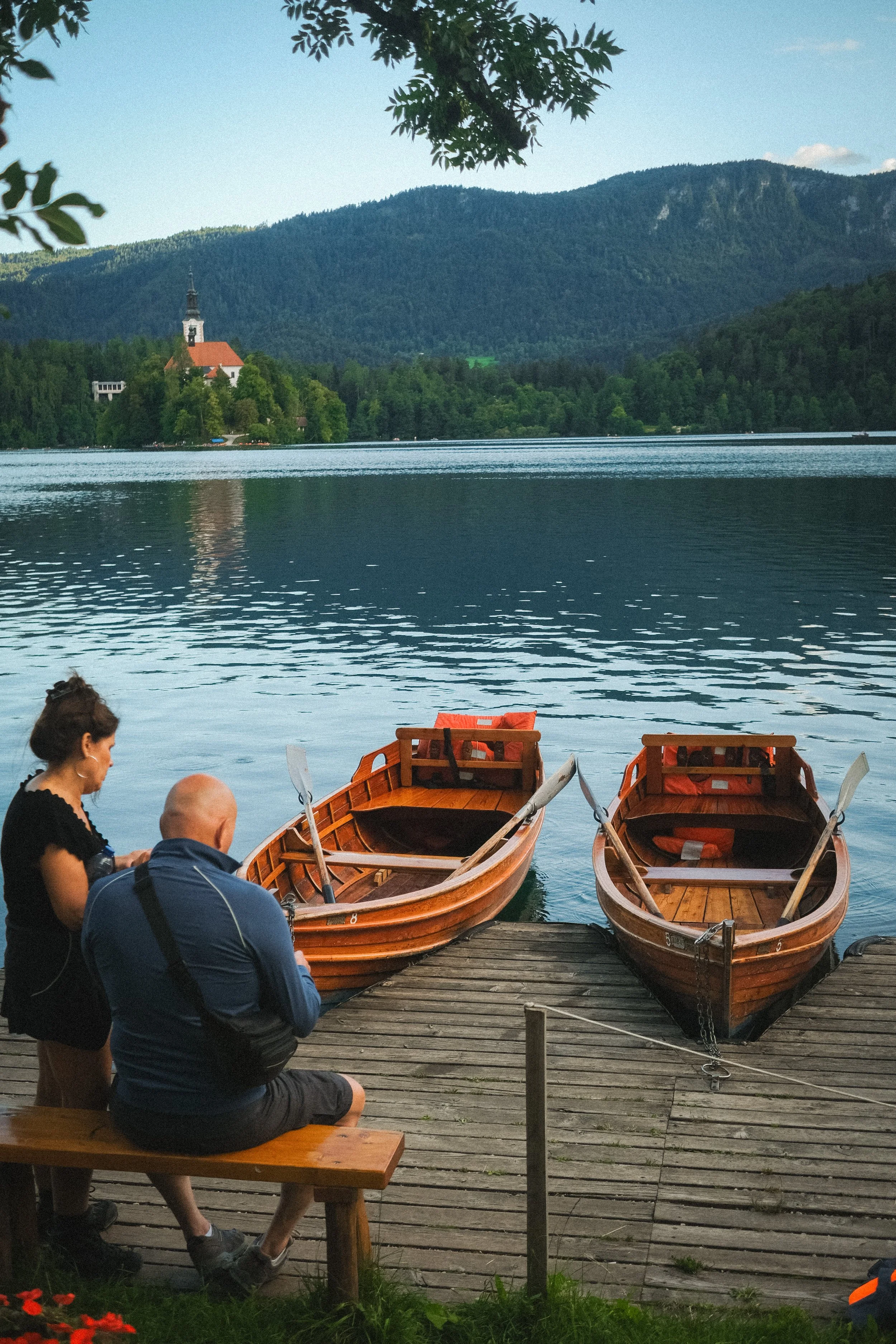
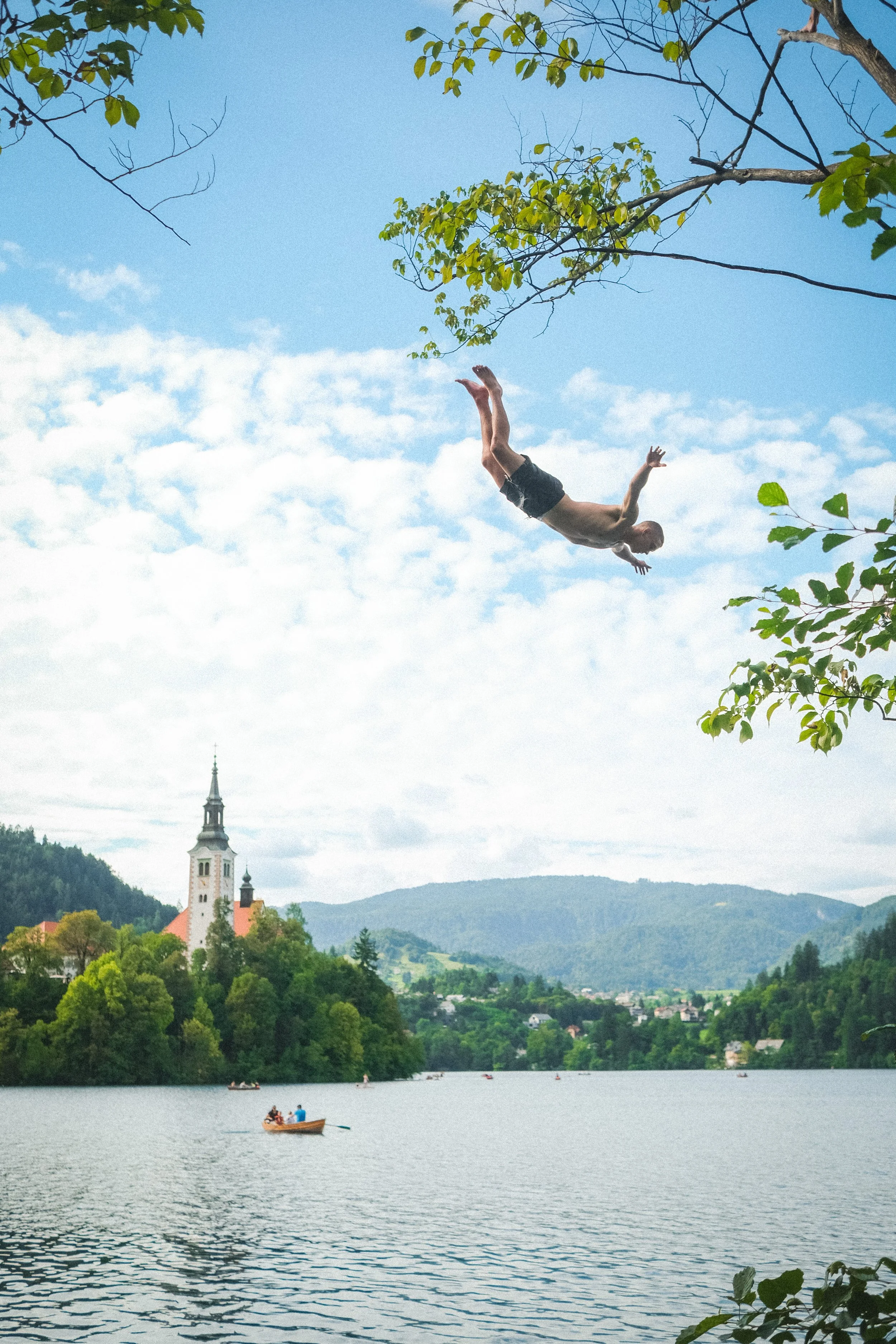
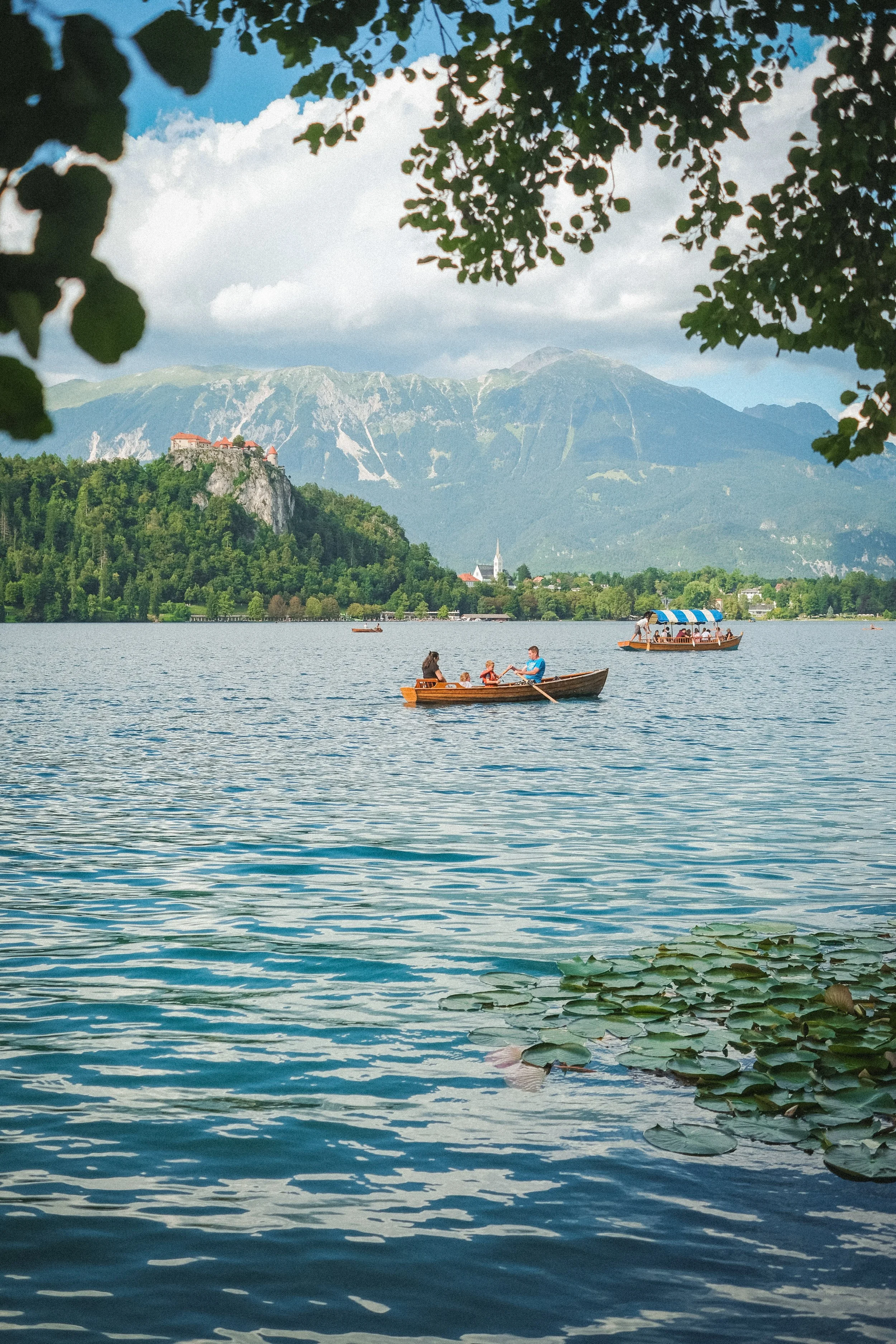
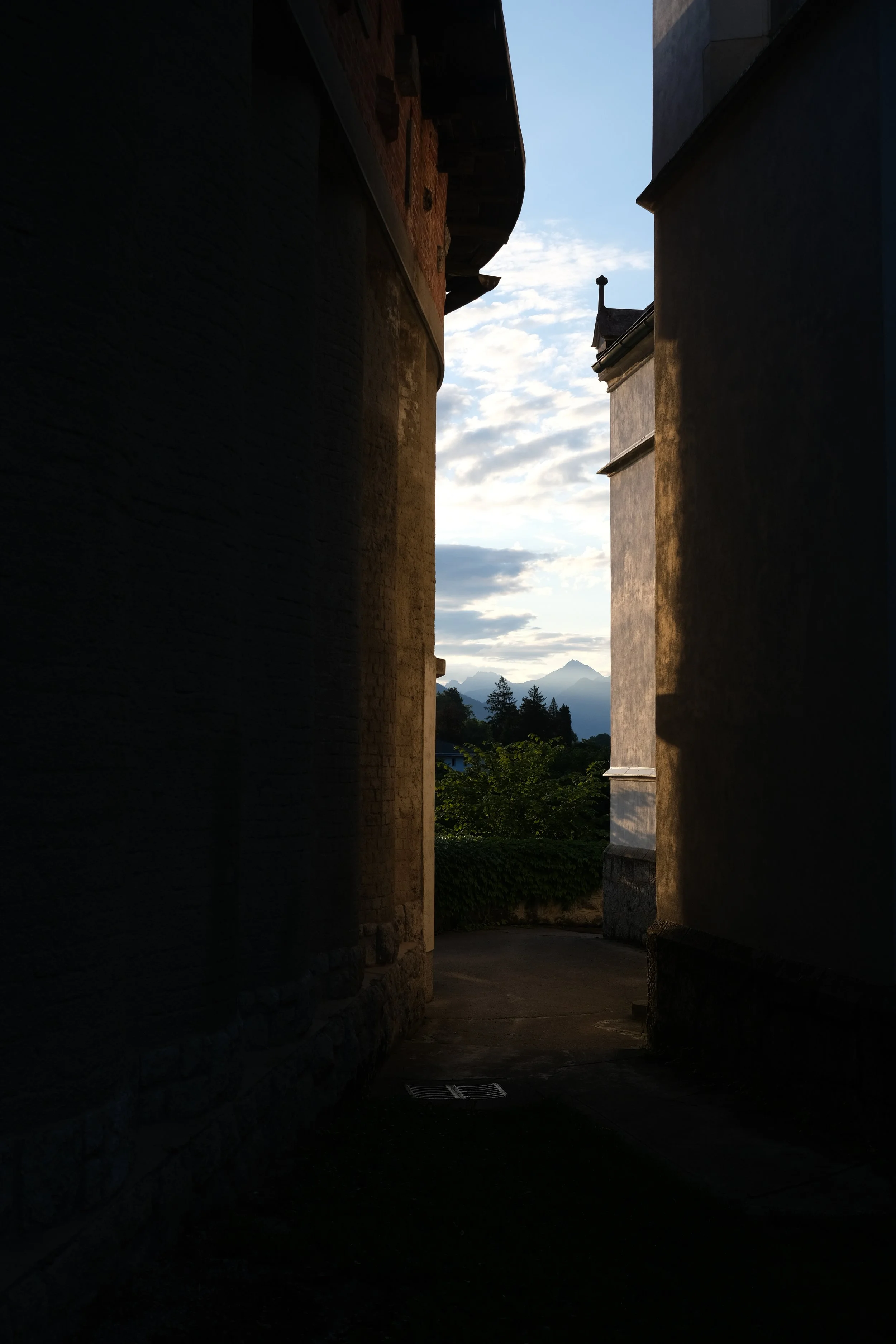
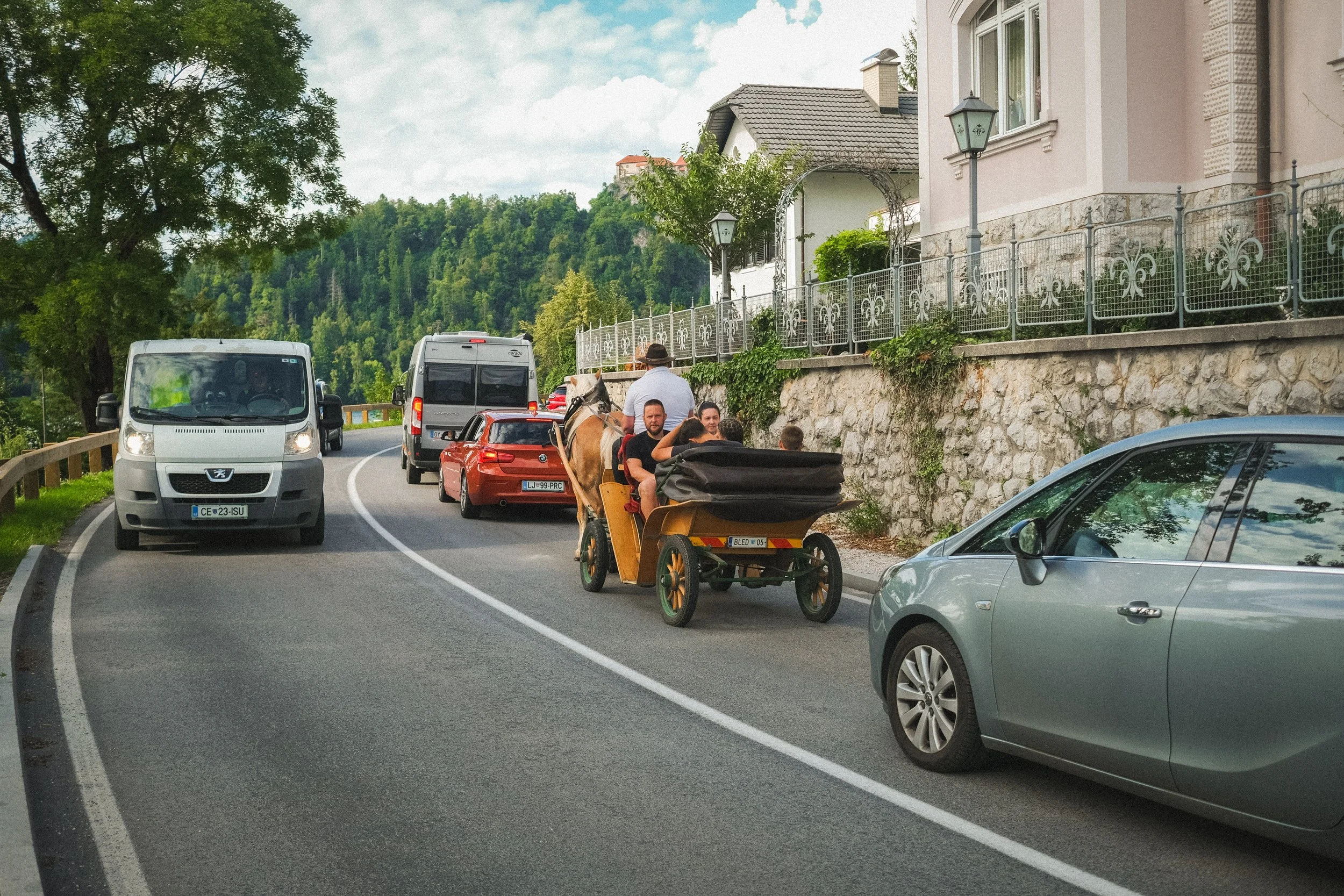
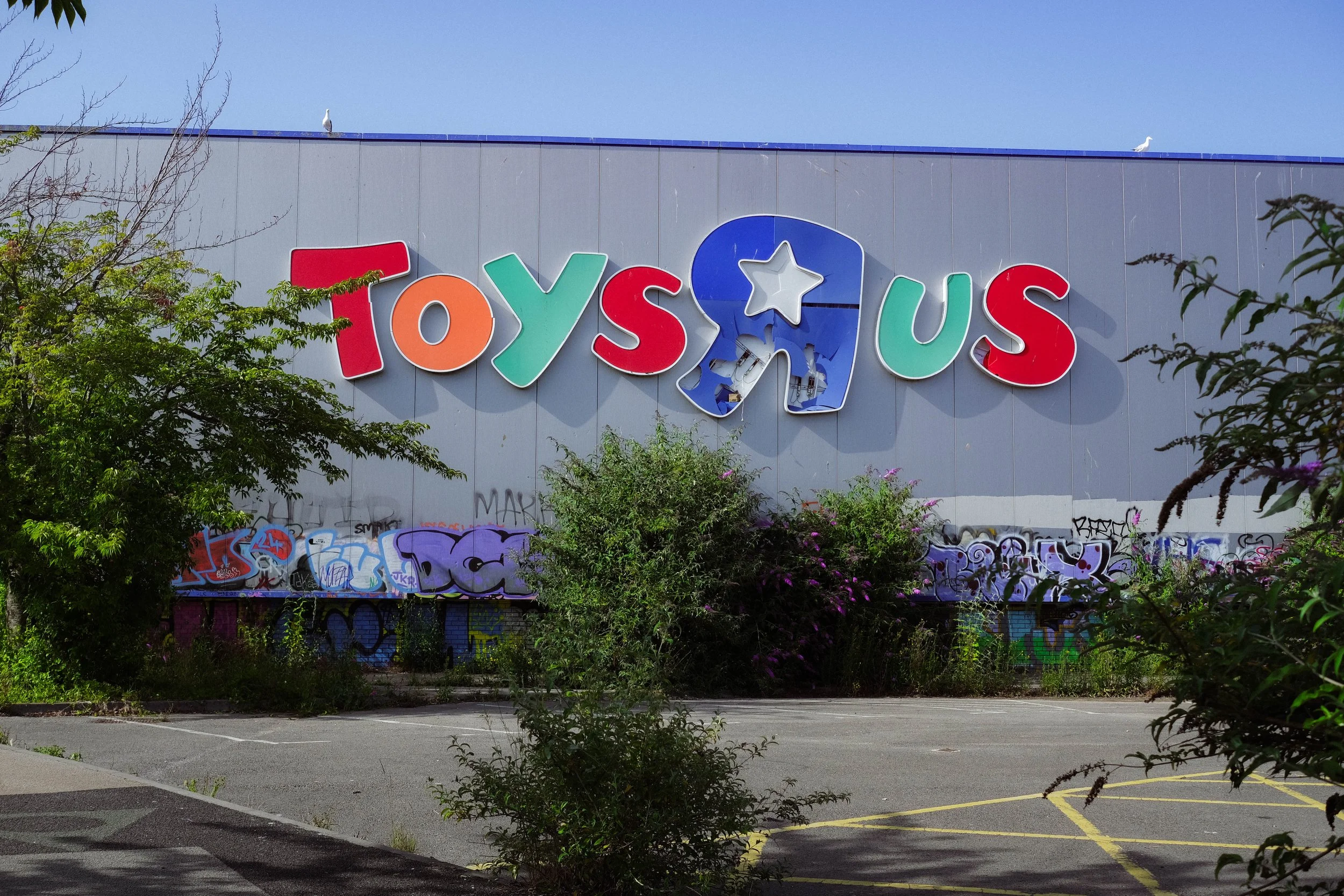
Having a camera light enough to take with me wherever I went had changed the game. I was learning faster because I was practicing every day. It was my tool for documenting the people I interviewed because it was small and friendly, and it was always with me. Just this morning, I used it to take a portrait of a person I met who had a great story to tell. It’s small, lightweight, and it fits in my pocket (I also love how I could always get it into concerts because people just think it is analog).
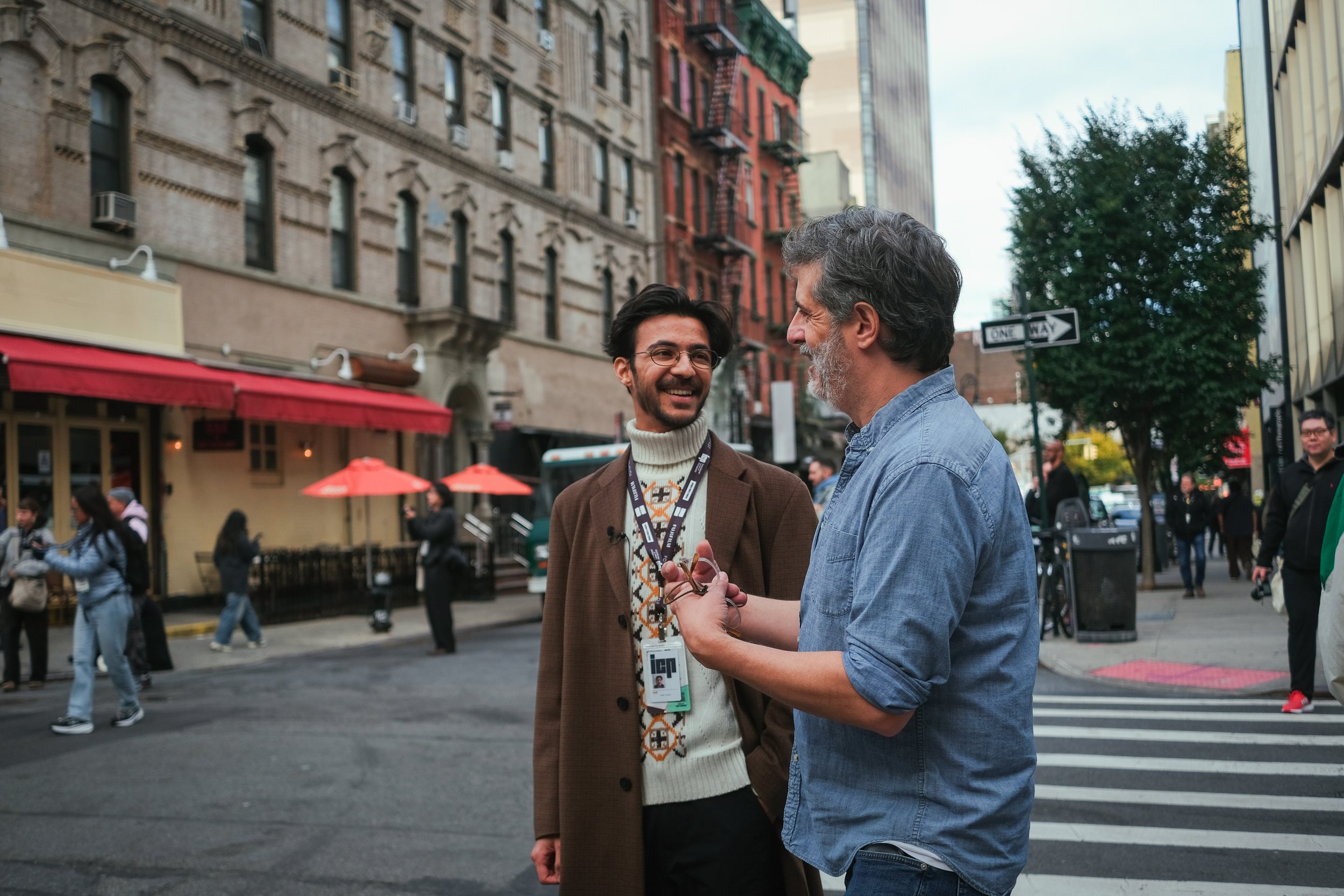
Alec Soth interviewed by ICP faculty.
So, when I saw Fujifilm had a festival in town, I was stoked. At the price of $10, I like to say I milked every penny’s worth. It covered entries into exhibitions from World Press Photo, Magnum, Femme Foto, Int. Center of Photography (ICP), and Fujifilm’s own curated selects. There were open discussions, Q&A’s, photo op’s, and more. Not even to mention the photographers you’ve admired from afar— be it through their websites or photobooks— were also in attendance walking on the streets beside you.
It wasn’t only an occasion to meet great shooters and to get talking to brands, it was also refining your portfolio, discovering new bodies of work, and encouraging discourse. It was Q&A’s where the photographer turned the question back onto the audience (I’m looking at you, David Campany) (video here), It was where you would meet National Geographic and Magnum photographers on your way to grab a slice of pizza, or on the subway heading home. But mostly, it was about building community.
Alec Soth said it well in his conversation with ICP’s creative director David Campany that while many photographers want to hide, we secretly want to be seen too. We may not like intentionally being in front of the camera but can always appreciate a really good candid shot of us. We have ideas, like all artists, that are large and momentous and can feel terribly heavy when they’re not shared, but when we have the space to talk about those ideas it not only feels lighter, but also more possible. This is why events like Fujikina are so important: because community and support will drive us all further.
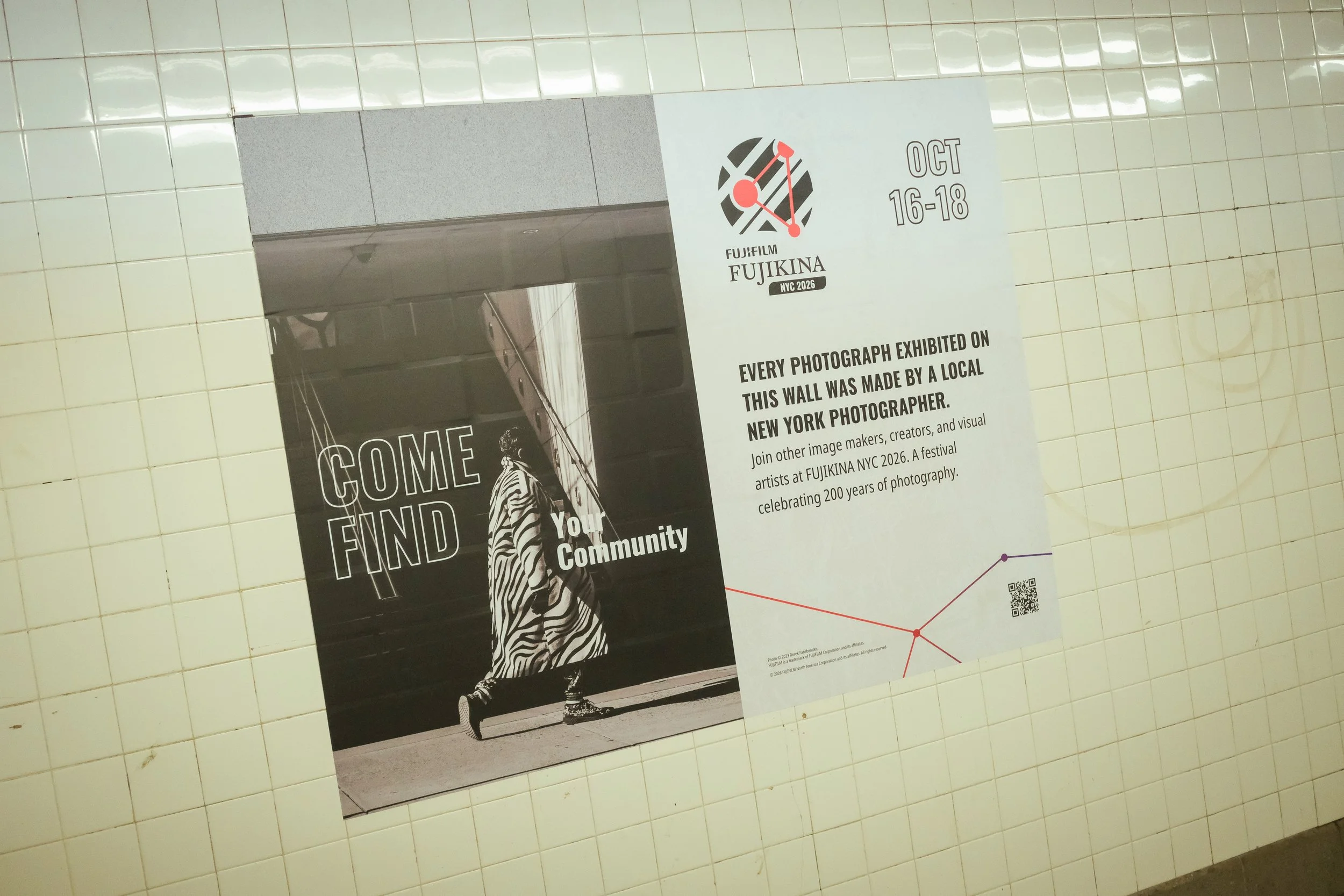
And the more inspired shooters, the more photobooks to fill our shelves (it’s not great on our wallets, but nothing in New York is anyway).
Alongside the community, there was also much theory to explore. On Sunday morning, a friend and I walked into a ten-person group critique with Michael Ackerman — I was the last person to get squeezed in— and it was something like walking into a portal. The several hours spent there had me forget that anything would have been happening in the world outside that room, and leaving felt heavy and full and wondrous and tiresome all at once. Every word of his observation and critique had its weight in the air— and at times I sat like a doe, wondering why I had never sought out a room of this level before— but glad I finally did.
Michael Ackerman extended the critique far after the session had time for, and I think it is safe to say that we all had deeply appreciated his time.
We walked out into the sunshine and soaked it in. The event was winding down, so we wandered from Fujikina and into a cafe. I attempted to get some of my ideas down but just ended up taking the moment to savor the thought that after this weekend, things would be different going forward.
Fujikina 2026 was my first ever photo festival, and I’m left not only with a new community and the discovery of many more talented photographers, but I am also left deeply inspired. Inspiration is a generative thing: it moves mountains if you go on with it. But it is also fugitive, fleeting— it comes to pass and not to pause. Therefore, with its transiency, I want to ride the wave. If you are left as inspired as I am, let’s finally print our photos or make our zine. Arrange the projects that have been sitting, stagnant, and losing their bubbles by being in the back of our minds for so long.
What we create is a reflection of our unique experiences and imaginations. They’re little cards of insight of who we are and what is on our minds. As Melissa Breyer said in her conversation with Femme Foto on street photography, “Some people see the style as documenting the places they are at, I see it as a document of my psyche,” or, more playfully, as a “documentary of my weird world.”
It’s simple and it’s complex. It’s serious and it’s playful. They’re our own truths and they deserve to be imagined, printed, and shared.
Thank you to Fujikina. Next time I’ll try to be a bit more prepared. Hopefully.
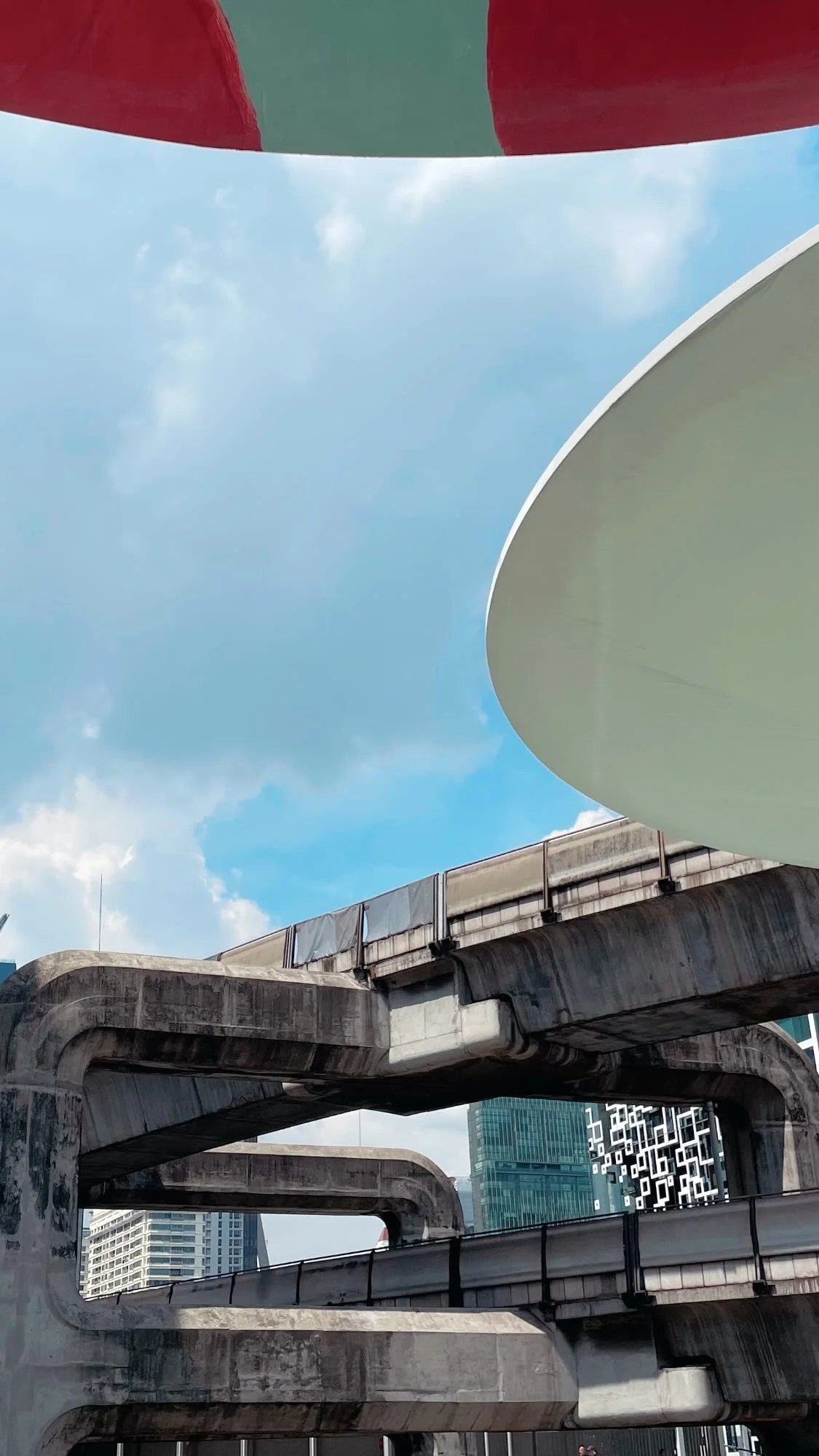
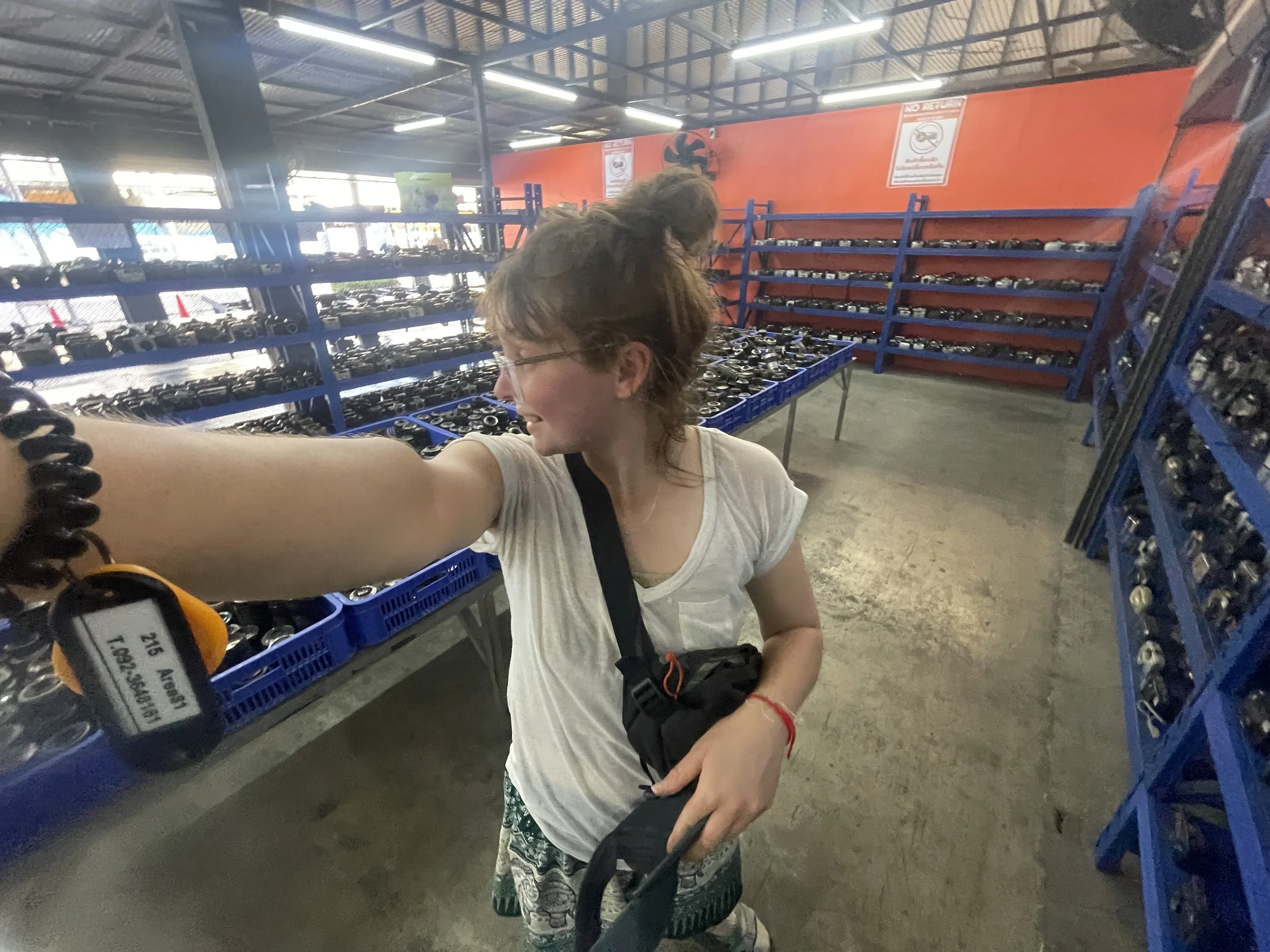
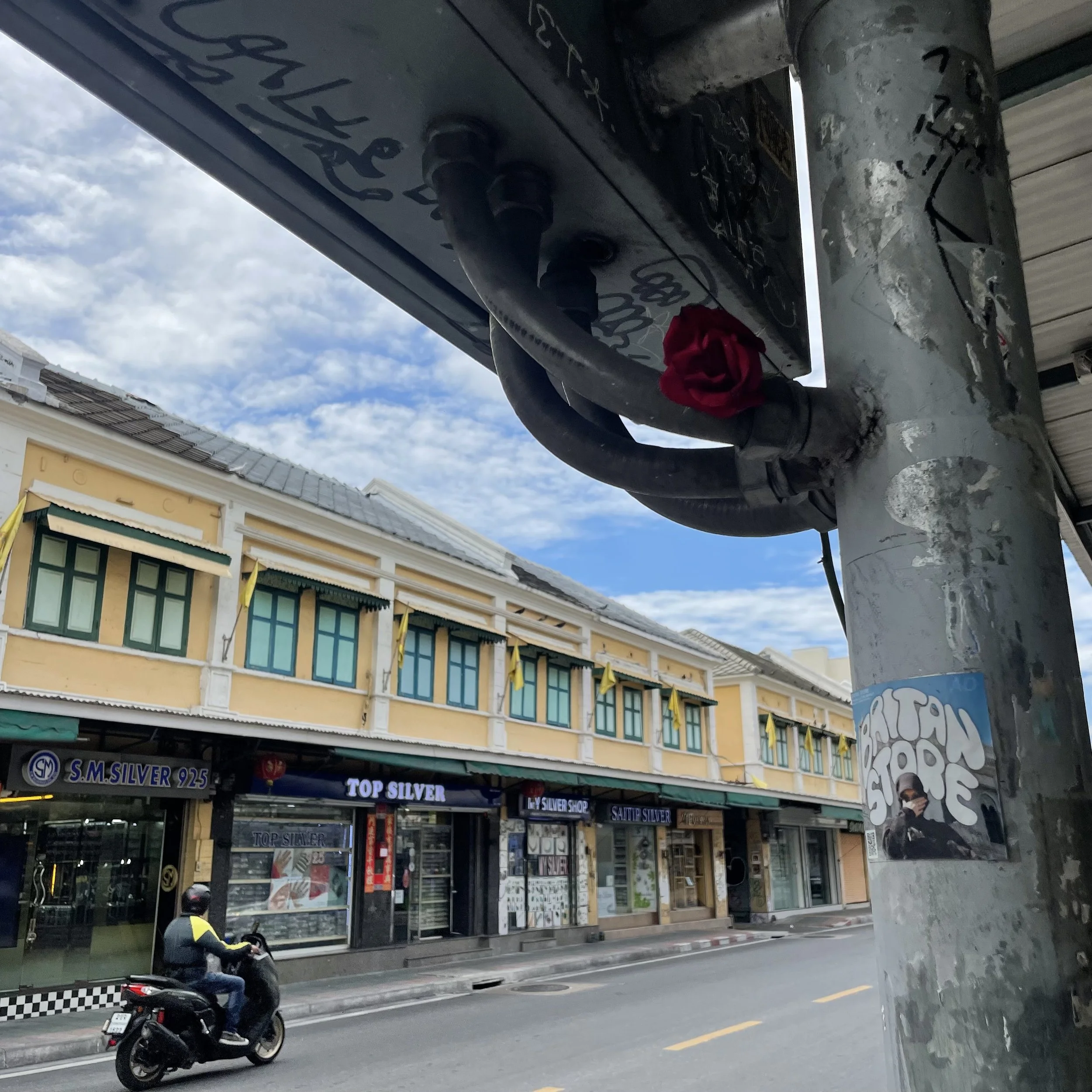
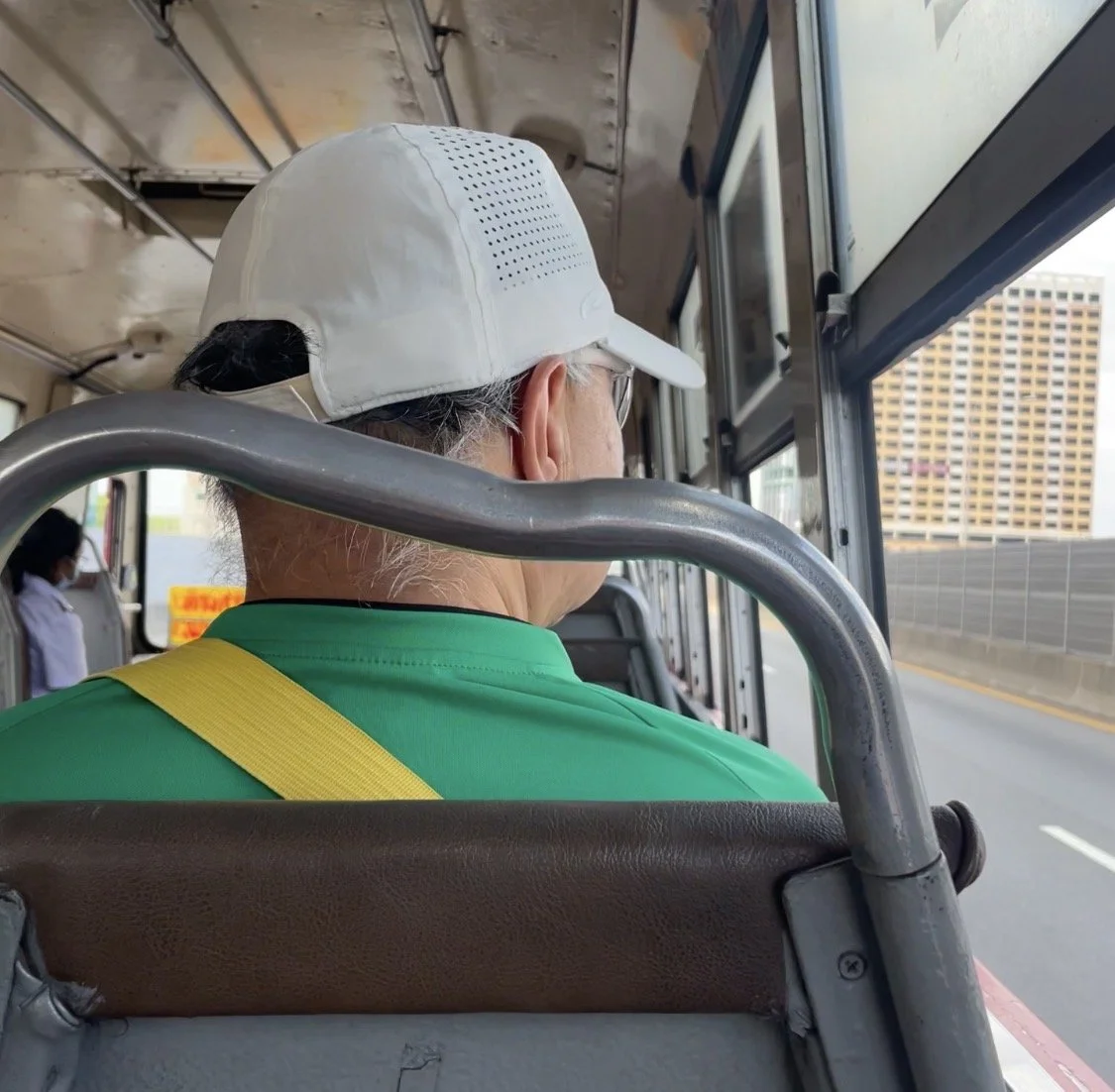
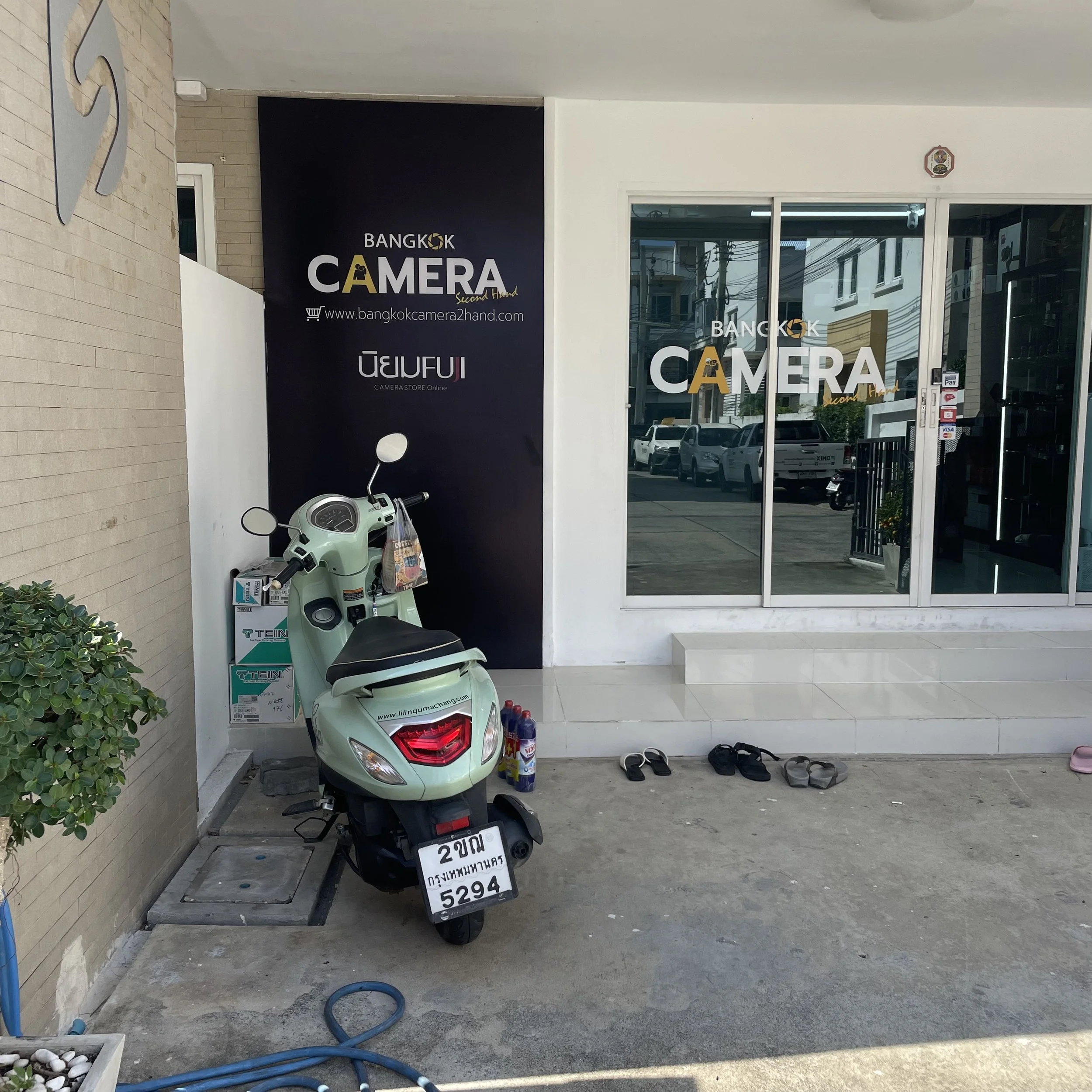
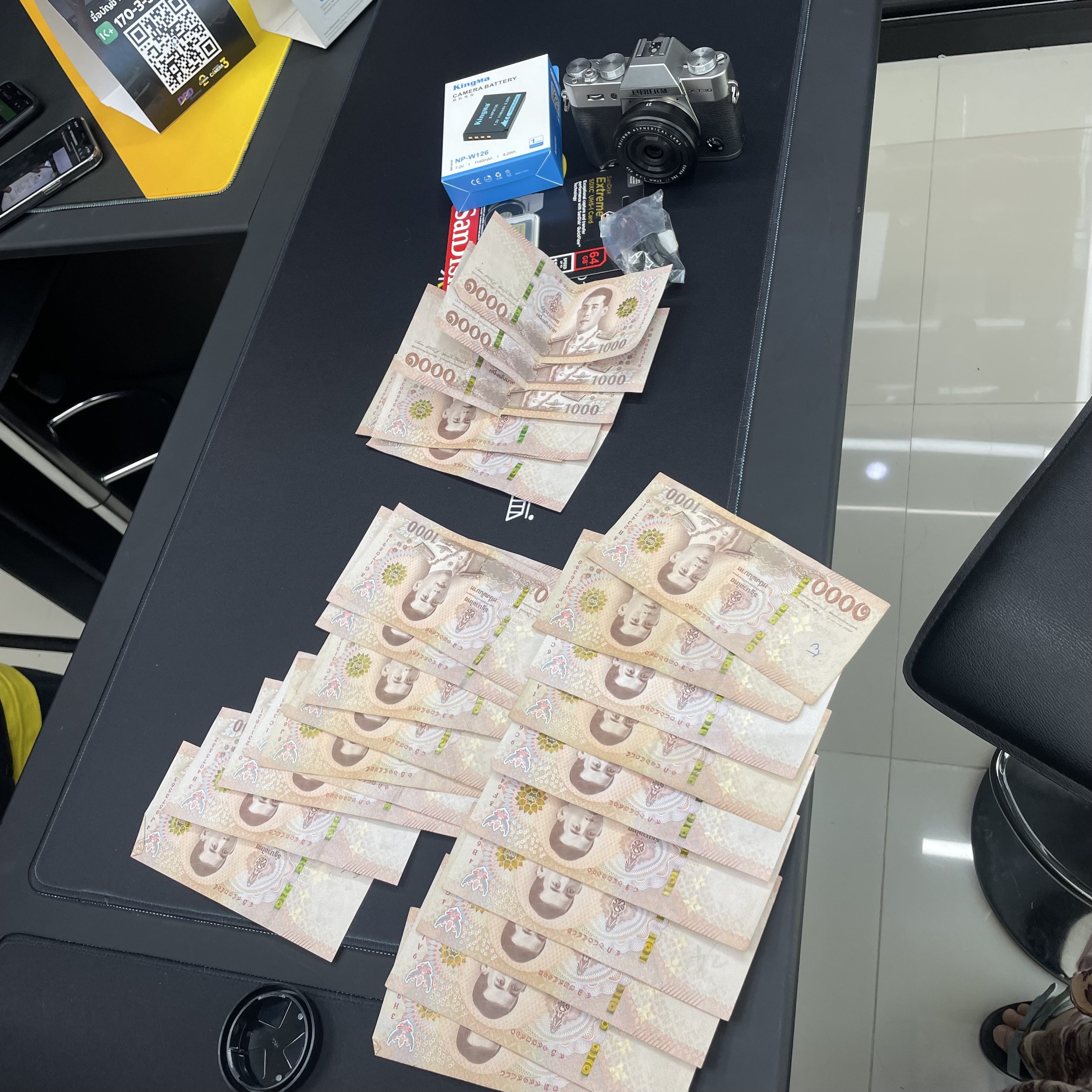
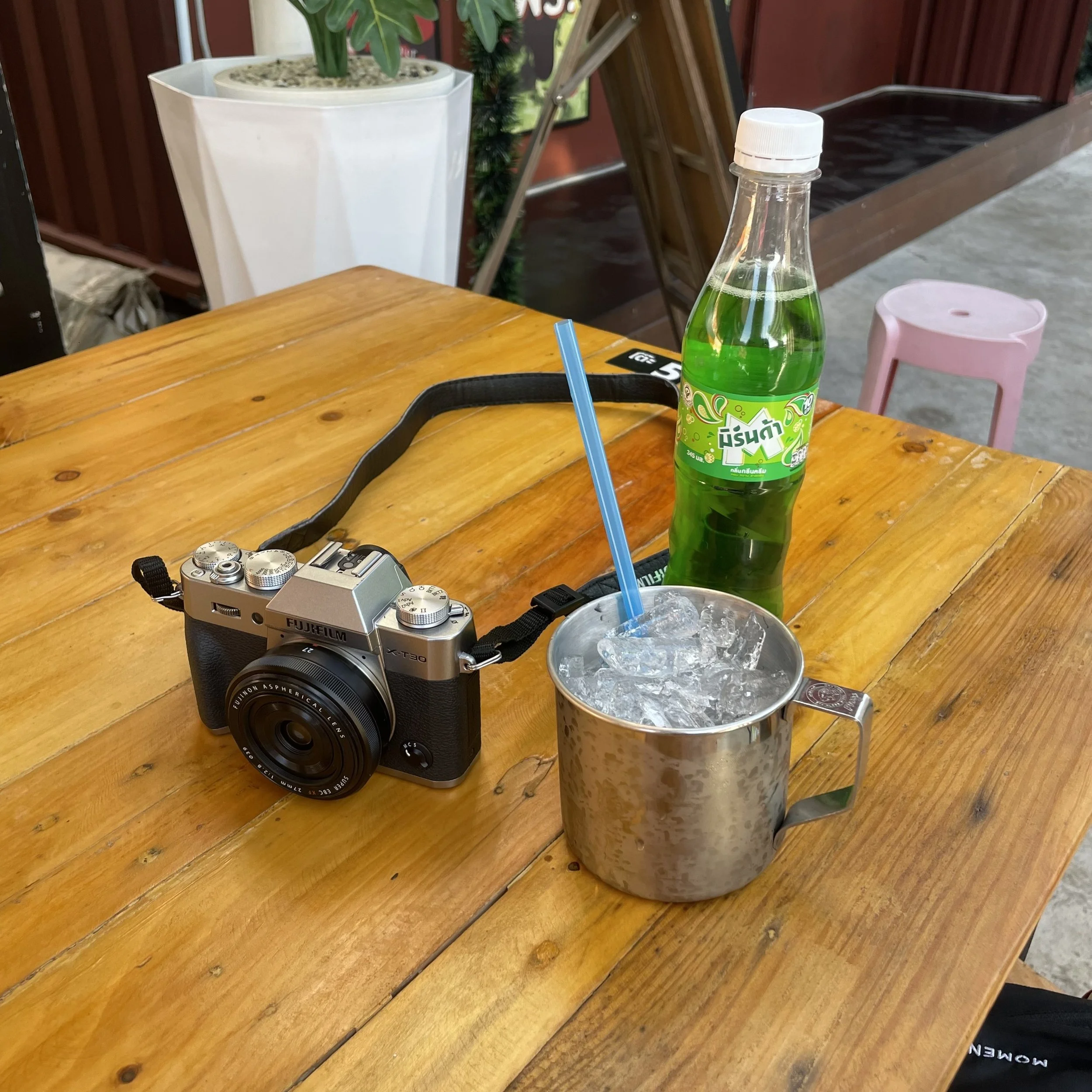
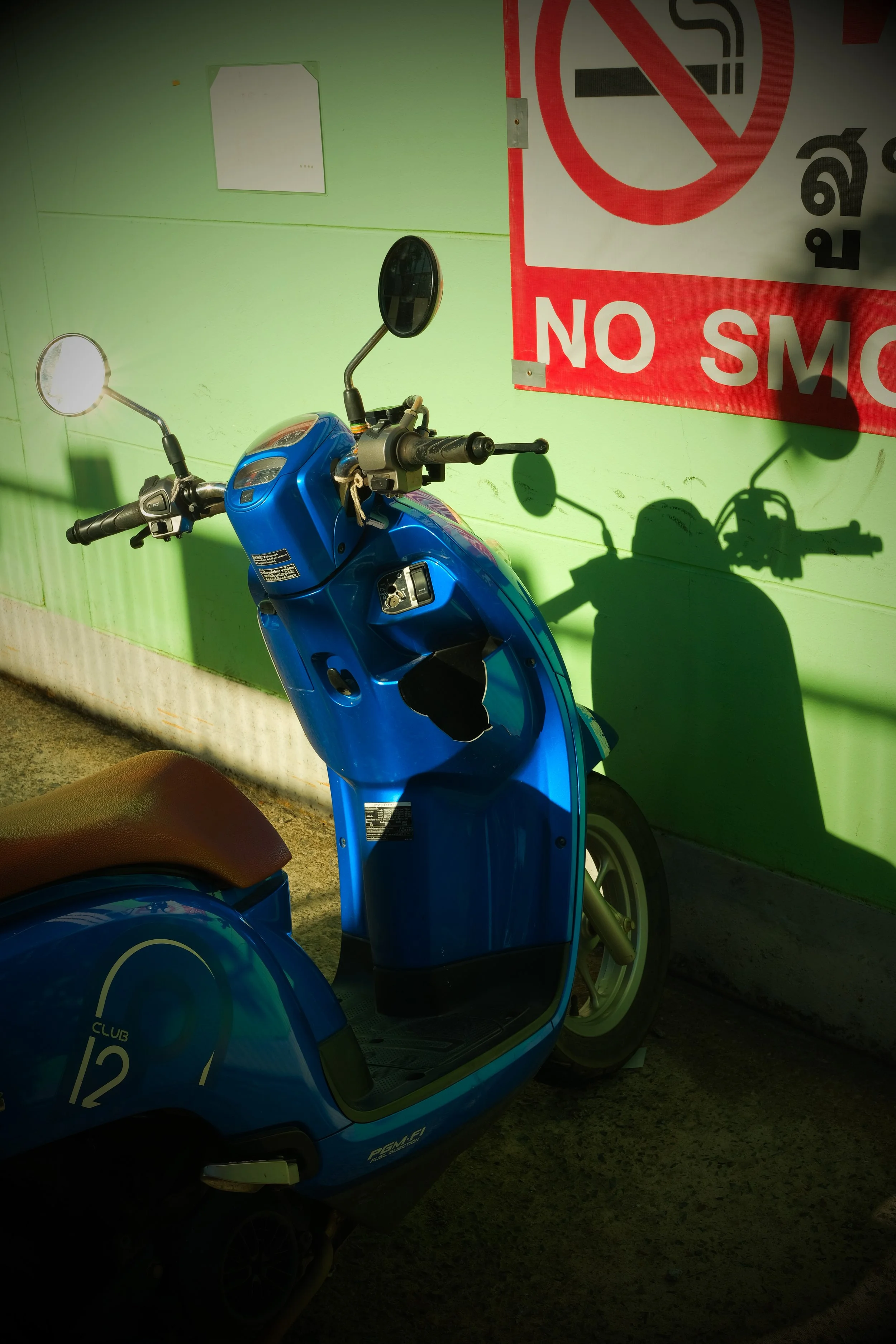
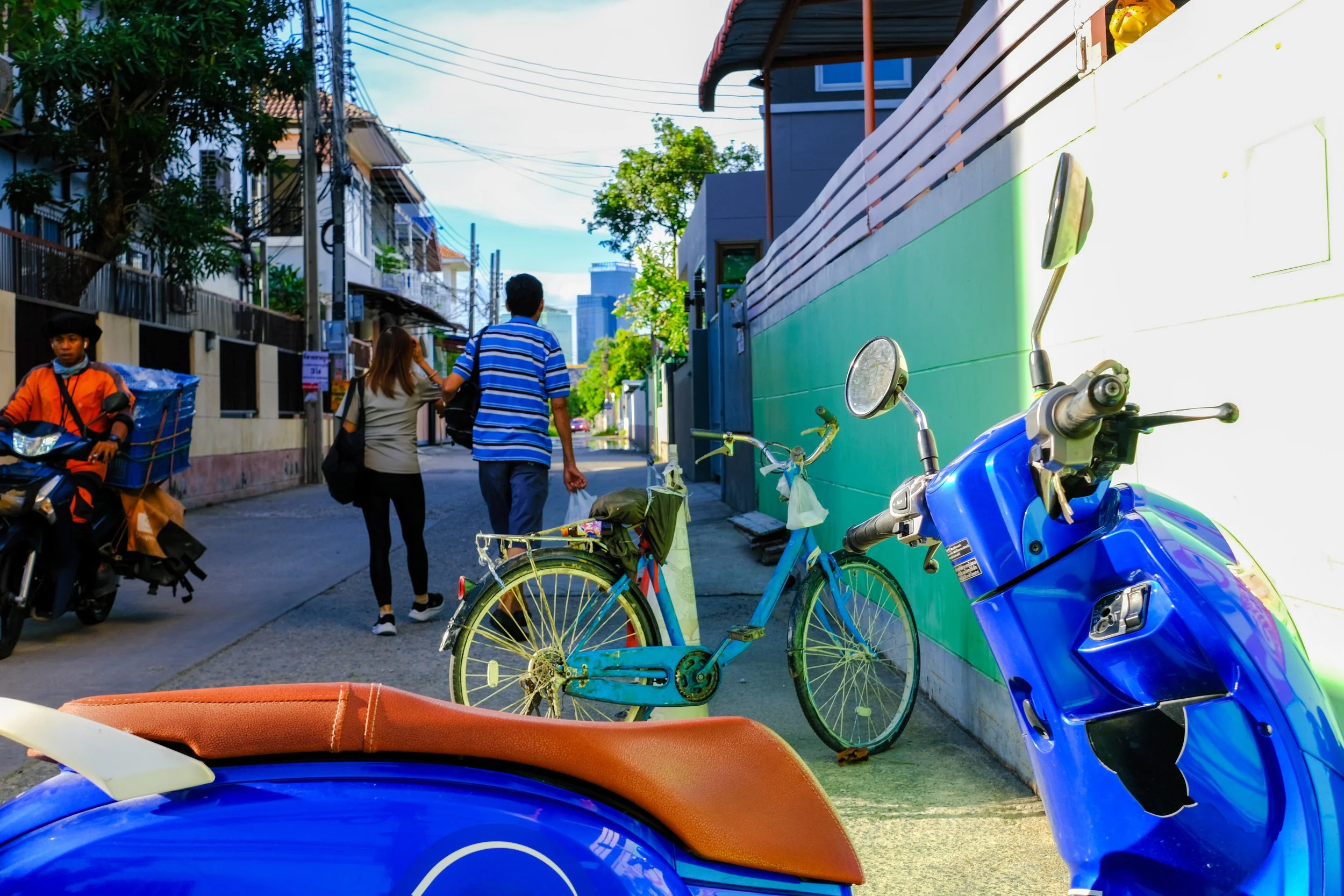
Carousel documenting my several attempts to find the right travel camera after landing in Bangkok, purchasing my Fujifilm, and the first photos taken from it.
Author’s Note:
Mentioned above, in a Q&A, an audience member posed a question about photos replacing our memories, and after David Campany’s response he turned the question back onto the attendee which allowed the space for her thoughts on the matter. As someone who loves discourse around photography, this was my favorite moment of the weekend. I recorded & uploaded that exchange here.
In other news, I’m building out my projects page that serves as a creative platform to experiment with new styles and layouts.
FinalIy, if you have thoughts on the weekend or on photography as a medium, please share with me! I’d love to hear your thoughts.
Thank you for reading,
Mia